
SafetyScore
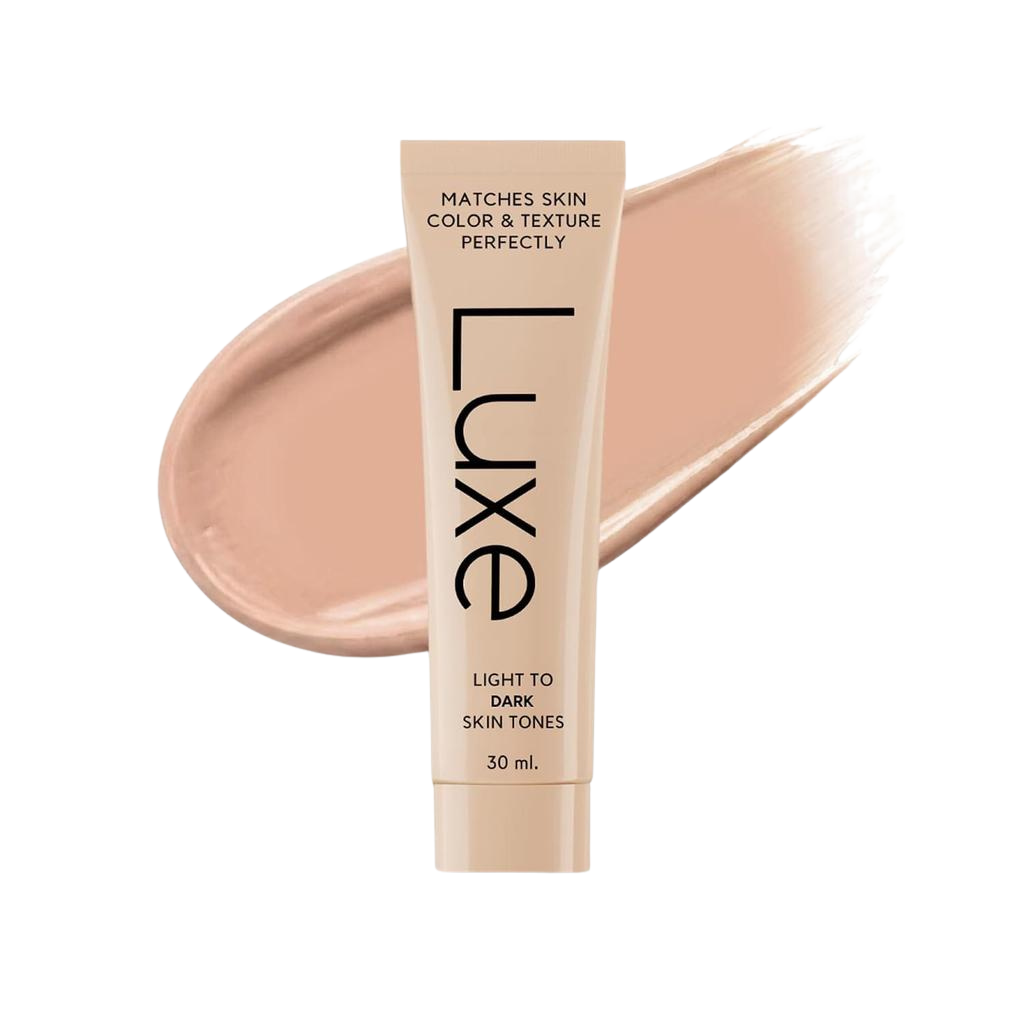
Luxe Color Changing Foundation
Summary
Luxe Color Changing Foundation is a liquid makeup product designed to simplify foundation shade matching. Instead of offering a large selection of fixed shades, the product is marketed as a color-changing foundation that starts with a light-colored appearance and changes as it is blended onto the skin. Luxe says its technology responds to the skin’s chemistry and creates a shade intended to match the user’s complexion and undertone. The brand currently offers Light, Medium, and Medium Dark options.
The main appeal of this type of foundation is convenience. Choosing the right foundation shade can be difficult, particularly when undertones are not clearly described or when a person’s skin looks different under indoor and outdoor lighting. Luxe claims that its formula begins changing within about 30 seconds and reaches its intended match after approximately two to three minutes. These are manufacturer claims, however, and the final result can vary depending on application, skin tone, undertone, lighting, and the amount of product used.
Luxe highlights several skincare-oriented ingredients, including niacinamide, hyaluronic acid, alpha-arbutin, and vitamin E. Niacinamide is commonly used in skincare for barrier support and the appearance of more even skin tone, while humectants such as hyaluronic acid can help maintain hydration at the skin’s surface. Vitamin E is generally used as an antioxidant and conditioning ingredient. Alpha-arbutin is included by Luxe for its brightening and tone-evening positioning. However, the presence of these ingredients in a foundation should not be interpreted as equivalent to using a dedicated treatment serum.
The full ingredient information deserves closer attention. EWG’s Skin Deep database lists a formula containing water, cyclopentasiloxane, butylene glycol, dimethicone, dimethicone crosspolymer, titanium dioxide, iron oxides, silica, squalane, glycerin, calendula extract, tocopheryl acetate, and fragrance, among other ingredients. This is more detailed than the short list of “key ingredients” presented on Luxe’s product page. EWG’s database also assigns its own hazard and data-availability ratings; those ratings are a separate assessment and should not be interpreted as a regulatory finding that the product is unsafe.
Fragrance is therefore an important consideration for a SafetyScore review. Luxe’s current product pages make claims that the formula contains no fragrance, while the ingredient label recorded by EWG includes fragrance. This discrepancy means consumers should check the ingredient list on the actual package they receive before use, particularly if they have previously reacted to fragranced cosmetics. Formulation differences may also explain some of the conflicting information online.
Luxe also describes the foundation as dermatologist-tested, non-comedogenic, suitable for sensitive skin, vegan, and cruelty-free. These should be presented as brand claims, rather than independent certifications, unless supporting certification or test documentation is available. The company also states that the foundation was tested on 312 faces with a reported 99.4% match rate, but the publicly available product page does not provide enough independent methodological detail to treat that figure as a general guarantee for every user.
Luxe Color Changing Foundation is an interesting approach to everyday makeup, particularly for consumers who find traditional shade selection frustrating. Its formula includes several familiar cosmetic and skincare ingredients, but the conflicting fragrance information is worth noting.
Pros
- Color-changing/self-adjusting foundation concept
- Contains glycerin for hydration
- Contains squalane and vitamin E derivative for conditioning
- Silicone ingredients provide a smooth, spreadable texture
- Mineral pigments provide color and coverage
- Mica can give a smoother-looking complexion
- Lightweight liquid-style formulation
- Designed for buildable, natural-looking coverage
- Brand states that its newer formula contains niacinamide and hyaluronic acid
- Brand states it is non-comedogenic and formulated without artificial fragrance.
Cons
- Fragrance appears on the EWG-listed packaging formula and may be relevant for sensitive skin.
- Contains several silicone-based ingredients, which may not appeal to users seeking a simpler formula
- Propylene carbonate is listed and can be irritating for some individuals.
- Contains multiple pigments and mineral colorants
- Color-adapting technology may not perfectly match every undertone
- Ingredient information appears to differ between current brand marketing and the formula recorded by EWG
- Individual sensitivity and allergies can affect results
Safety Scores
Ingredient List
2-Hexanediol, Aluminum Hydroxide, Aqua, Biosaccharide Gum-4, Butylene Glycol, C20-24 Alkyl Dimethicone, Calendula Officinalis Flower Extract, Caprylhydroxamic Acid, Cetyl PEG/PPG-10/1 Dimethicone, CI 77491, CI 77492, CI 77499), CI 77891 (Titanium Dioxide), Cyclopentasiloxane, Dimethicone, Dimethicone Crosspolymer, Dimethicone/Vinyl Dimethicone Crosspolymer, Disteardimonium Hectorite, Fragrance, Glycerin, Hydroxyacetophenone, Mica, Neopentyl Glycol Diheptanoate, PEG/PPG-18/18 Dimethicone, Polyester-1, Propylene Carbonate, Silica, Silica Dimethyl Silylate, Sodium Chloride, Squalane, Tocopheryl Acetate, Triethoxycaprylylsilane
You might also like
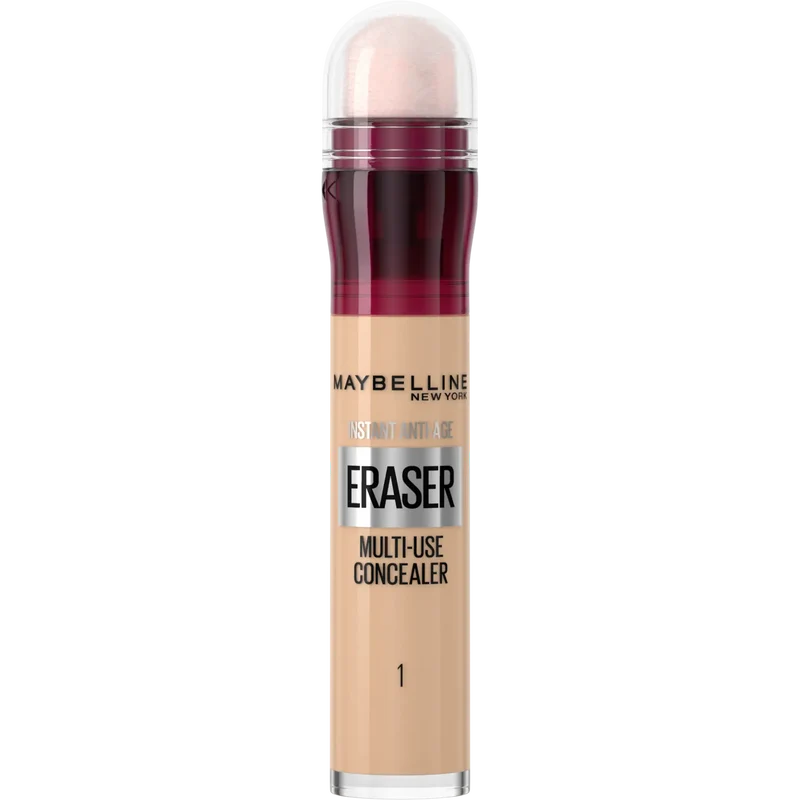
Maybelline Instant Age Rewind Eraser Multi-Use Concealer
Summary
Maybelline Instant Age Rewind Eraser Multi-Use Concealer is a liquid concealer designed to cover dark circles, redness, discoloration, and other areas where a more even-looking complexion is wanted. It can also be used for highlighting and contouring, which makes it more versatile than a traditional under-eye concealer. Maybelline recommends choosing a matching shade for concealing, a lighter shade for highlighting, or a darker shade for contouring.
The product has a distinctive sponge-tip applicator. To use it, Maybelline instructs consumers to twist the applicator until the concealer appears on the sponge, then apply it directly to the under-eye area or other areas of concern and blend outward. The brand recommends removing the product at the end of the day with makeup cleanser or micellar water. This is a leave-on cosmetic, so regular cleansing is important, particularly when it is used around the eyes.
From an ingredient perspective, the current U.S. formula starts with water, dimethicone, isododecane, glycerin, and PEG-9 polydimethylsiloxyethyl dimethicone. Dimethicone and other silicone-based ingredients help give the concealer its smooth application and can reduce the appearance of dryness and texture. Glycerin is a humectant that helps attract water to the skin. The formula also contains silica and dimethicone crosspolymer, which contribute to the product’s texture and finish.
The formula contains several ingredients intended to support stability and preservation, including phenoxyethanol, chlorphenesin, sodium benzoate, potassium sorbate, caprylyl glycol, and ethylhexylglycerin. It also includes skin-conditioning and cosmetic ingredients such as tocopherol, biotin, lactic acid, and Lycium barbarum fruit extract. Palmitoyl tripeptide-1 and palmitoyl tetrapeptide-7 are also included. These ingredients are often associated with skin-conditioning or anti-aging cosmetic formulations, although their presence in a concealer should not be interpreted as evidence that the product will reverse wrinkles or other signs of aging.
Maybelline currently describes the product as non-comedogenic, allergy tested, dermatologist tested, ophthalmologist tested, suitable for sensitive skin, and vegan on its official product information. These are manufacturer claims and testing descriptions rather than an independent certification, so they are best considered alongside the complete ingredient list and individual tolerance.
One important point for a SafetyScore review is that the formula is not identical in every market or product generation. Maybelline’s French website currently lists the same newer formula containing dimethicone, isododecane, glycerin, phenoxyethanol, and peptide ingredients, while older regional listings show a different formulation that included cyclopentasiloxane, cyclohexasiloxane, parabens, and other ingredients. Maybelline itself advises consumers to check the ingredient list on the actual packaging because formulas can be updated.
The presence of preservatives is worth noting for consumers with known sensitivities. Phenoxyethanol and chlorphenesin are functional cosmetic preservatives and are not automatically problematic at the concentrations permitted in cosmetics, but individual reactions are possible. Because the product is intended for the under-eye area, people with particularly sensitive eyes or a history of cosmetic reactions should introduce it carefully and discontinue use if irritation occurs.
Maybelline Instant Age Rewind Eraser Multi-Use Concealer is a versatile leave-on makeup product with a silicone-based texture, glycerin for hydration support, pigments for coverage, and several conditioning and preservative ingredients. Its main practical strengths are its multi-use application, blendable texture, and suitability for targeted areas such as dark circles and discoloration.
Pros
- Glycerin helps provide a moisturizing feel.
- Dimethicone and other silicones help create a smooth, blendable texture.
- Contains vitamin E (tocopherol).
- Contains peptides including palmitoyl tripeptide-1 and palmitoyl tetrapeptide-7.
- Contains goji berry extract.
- Non-comedogenic according to Maybelline.
- Allergy, dermatologist and ophthalmologist tested.
- Designed for use under the eyes as well as for concealing, highlighting and contouring.
- Up to 12-hour moisturizing wear according to Maybelline.
- Vegan according to the manufacturer.
Cons
- Contains phenoxyethanol and chlorphenesin preservatives.
- Contains several preservatives and stabilizing ingredients, which may matter for very sensitive skin.
- Propylene glycol can cause irritation in some individuals.
- The silicone-rich formula may not suit users who prefer simpler or silicone-free cosmetics.
- The built-in sponge applicator comes into repeated contact with the skin, so keeping the applicator clean is important.
- Ingredient lists can change between markets, shades and product updates; Maybelline recommends checking the packaging for the latest formula.
Safety Scores
Ingredient List
Aluminum Hydroxide, AQUA / WATER / EAU, Biotin, Caprylyl Glycol, Cetyl PEG/PPG-10/1 Dimethicone, Chlorhexidine Digluconate, Chlorphenesin, Chrysin, Citric Acid, Dimethicone, Dimethicone Crosspolymer, Disodium Stearoyl Glutamate, Disteardimonium Hectorite, Ethylhexylglycerin, Glycerin, Isododecane, Lactic Acid, Lycium Barbarum Fruit Extract, N-Hydroxysuccinimide, Palmitoyl Tetrapeptide-7, Palmitoyl Tripeptide-1, PEG-10 Dimethicone, PEG-9 Polydimethylsiloxyethyl Dimethicone, Pentaerythrityl Tetra-Di-T-Butyl Hydroxyhydrocinnamate, Phenoxyethanol, Polyglyceryl-4 Isostearate, Potassium Sorbate, Propylene Glycol, Silica, Sodium Benzoate, Sodium Chloride, Sodium Citrate, Steareth-20, Tocopherol
You might also like
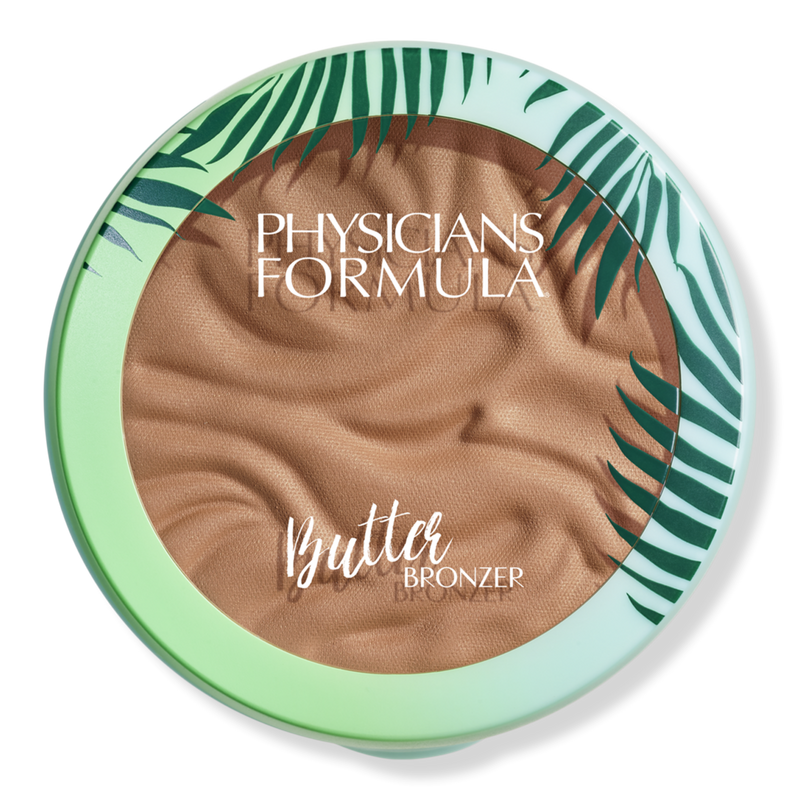
Physicians Formula Murumuru Butter Bronzer
Summary
Physicians Formula Murumuru Butter Bronzer is a powder bronzer designed to add warmth and a sun-kissed finish to the face. The formula is positioned between a traditional powder and a creamier makeup texture, with murumuru butter, cupuaçu butter, and tucuma butter as its main highlighted ingredients. Physicians Formula says these ingredients help soften and condition the skin while giving the bronzer its smooth, creamy feel.
The product is intended to be used alone or over other makeup. According to Physicians Formula, the included sponge applicator can be used to sweep the bronzer across the face and neck, while additional product can be applied around the cheekbones for contouring. This makes it a fairly straightforward product for everyday makeup users who want to add definition and warmth without using a liquid or cream bronzer.
One of the most notable ingredients is Astrocaryum Murumuru Seed Butter, commonly known as murumuru butter. The formula also contains Astrocaryum Tucuma Seed Butter and Theobroma Grandiflorum Seed Butter, or cupuaçu butter. These plant-derived butters are used as conditioning ingredients and contribute to the product’s characteristic soft texture. However, the presence of botanical butters should not be interpreted as proof that the product is automatically safer or more nourishing than every other bronzer. The overall formula matters more than any single “hero” ingredient.
The ingredient list also includes talc, mica, dimethiconol stearate, isostearyl neopentanoate, octyldodecyl stearoyl stearate, polybutene, caprylyl glycol, phenoxyethanol, tocopherol, lecithin, and several colorants. Talc and mica provide much of the powder and pigment structure, while the emollient and conditioning ingredients help the product spread more smoothly on the skin. Iron oxides and other pigments are used to create the different bronzing shades.
From a SafetyScore perspective, fragrance is one ingredient worth noting. The current Physicians Formula ingredient list includes fragrance/parfum. Fragrance is not inherently unsafe, but it can be a consideration for people who are particularly sensitive to fragranced cosmetics. The formula also contains phenoxyethanol, a commonly used cosmetic preservative. Individual tolerance can vary, so people with a history of reactions to particular cosmetic ingredients should review the complete ingredient list before use.
Physicians Formula describes the bronzer as hypoallergenic, dermatologist tested, paraben-free, gluten-free, and cruelty-free. The company also describes the product as non-comedogenic on some current product listings. These are manufacturer product claims rather than an independent safety certification, so they are best presented as such in an E-E-A-T-focused review.
It is also important to note that the formula can vary by shade and version. The current official website lists several shades, and some versions have slightly different ingredient lists or colorants. For example, certain listings include alumina or synthetic fluorphlogopite, while others list synthetic sapphire. Physicians Formula also notes that packaging may vary.
Overall, Physicians Formula Murumuru Butter Bronzer is a conventional pressed powder bronzer with a conditioning-focused formula and a noticeable fragrance component. Its blend of murumuru, tucuma, and cupuaçu butters gives the product a softer cosmetic feel, while mica, talc, pigments, and emollients provide the bronzing effect and application characteristics.
Pros
- Contains murumuru, tucuma and cupuaçu butters
- Butters provide a conditioning, soft-feeling finish
- Mica helps create a luminous, radiant appearance
- Designed to combine powder and cream-like texture
- Blends easily for bronzing and contouring
- Physicians Formula lists it as paraben-free
- Listed as hypoallergenic and dermatologist tested
- Non-comedogenic according to the manufacturer
- Gluten-free and cruelty-free according to Physicians Formula
- Suitable for wearing alone or over other makeup
Cons
- Contains fragrance/parfum, which can be a concern for fragrance-sensitive skin
- Contains phenoxyethanol, a preservative that some sensitive users may prefer to avoid
- Contains talc
- Richer buttery texture may not suit everyone, particularly those who prefer a completely matte powder
- Individual sensitivity to botanical butters or fragrance is possible
- Ingredient lists can vary between shades and product versions, so the packaging should be checked before purchase
Safety Scores
Ingredient List
Alumina, Ascorbyl Palmitate, Astrocaryum Murumuru Seed Butter, Astrocaryum Tucuma Seed Butter, Caprylyl Glycol, CI 77492, CI 77499), Citric Acid, Dimethiconol Stearate, Fragrance/Parfum, Glyceryl Oleate, Glyceryl Stearate, Hexylene Glycol, Isostearyl Neopentanoate, Lauroyl Lysine, Lecithin, May Contain: Iron Oxides (CI 77491, Mica, Octyldodecyl Stearoyl Stearate, Phenoxyethanol, Polybutene, Talc, Theobroma Grandiflorum Seed Butter, Titanium Dioxide (CI 77891), Tocopherol
You might also like
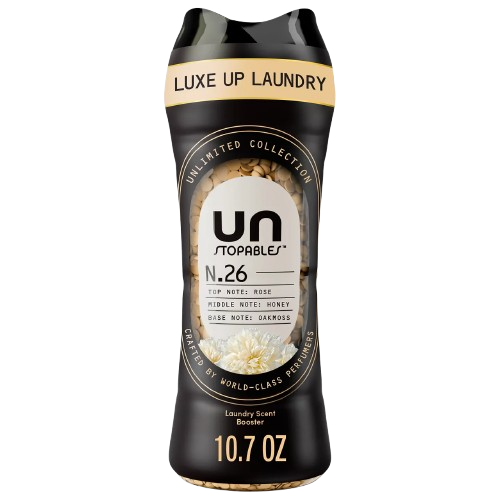
Downy Unstopables Unlimited Collection In-Wash Laundry Scent Booster Beads, N.06
Summary
Downy Unstopables Unlimited Collection In-Wash Laundry Scent Booster Beads N.06 are designed to add long-lasting fragrance to laundry rather than clean the clothes themselves. The product is used directly in the washing machine drum before adding the clothes and is intended to work alongside regular laundry detergent. Downy describes the N.06 fragrance as a warm, sophisticated scent featuring notes of clove, leather, and ebony wood.
Unlike a liquid fabric softener, these beads are primarily a fragrance booster. Downy explains that the beads contain perfume microcapsules that can release fragrance when they are touched during everyday use. This means the product is designed to leave a noticeable scent on fabrics after washing and during wear. It should not be considered a substitute for laundry detergent because it does not perform the primary cleaning function of removing dirt and stains.
The current Downy ingredient information for N.06 lists three main components: polyethylene glycol, fragrance, and polyoxyalkylene substituted chromophore (cyan). Polyethylene glycol is identified by Downy as a perfume dispersant, while fragrance provides the scent and the chromophore functions as a colorant. This relatively short disclosed ingredient list makes the basic purpose of the formula easy to understand, although the term “fragrance” represents a mixture rather than a complete list of every individual fragrance substance.
The main advantage of N.06 is therefore its fragrance performance. For people who enjoy strongly scented laundry, the beads provide an additional way to customize the smell of clothes, towels, and bedding. Downy states that the product is suitable for all fabrics and washing machines. The brand also promotes long-lasting freshness, although consumers should treat these statements as manufacturer performance claims rather than a guarantee that the scent will last for exactly the same period for every household.
There are some practical considerations from a SafetyScore perspective. Because fragrance is a major component of the product, it may not be ideal for people who prefer fragrance-free laundry products or who know they are sensitive to fragranced products. “Fragrance” also makes it difficult to evaluate every individual fragrance component from the short ingredient disclosure alone. This does not automatically mean the product is unsafe, but it is a relevant consideration when assessing potential irritation or sensitivity.
Correct use is also important. Downy instructs consumers to measure the desired amount into the cap and put the beads directly into the washer drum before adding clothing. The company specifically says they should not be placed in the liquid detergent dispenser. Product instructions from Downy also emphasize that the beads are intended to be used with detergent because their role is to add scent rather than clean laundry.
Older safety information for other Unstopables variants provides an additional reason to handle scent beads responsibly. One previous P&G safety data sheet classified a particular Unstopables fragrance variant for skin sensitization, while another older variant was not classified under the applicable hazard system. These documents are not current N.06-specific safety classifications, so they should not be treated as proof that N.06 has the same classification. They do, however, illustrate why avoiding direct skin or eye exposure and following the product label is sensible.
Downy Unstopables Unlimited Collection N.06 is best understood as a laundry fragrance booster, not a cleaning or fabric-conditioning product. Its strengths are convenient use, a distinctive fragrance, and compatibility with regular laundry routines. The main considerations are its added fragrance, colorant, and the need to use the beads according to the manufacturer’s directions.
Pros
- Long-lasting fragrance for clothing and fabrics
- Relatively short ingredient list
- Designed for use with all fabrics
- Can be used with clothes, towels and bedding
- Does not function as a detergent, so it does not replace laundry detergent
- Downy states that the beads are designed to provide long-lasting freshness
- Multiple fragrance options are available in the Unlimited Collection
Cons
- Contains fragrance, which can be problematic for fragrance-sensitive individuals
- Not ideal if you prefer fragrance-free laundry products
- Colorant is included in the formula
- Provides scent rather than actual cleaning
- Should be used together with laundry detergent
- Strong fragrance may be undesirable for some users
- Fragrance-sensitive households may prefer an unscented alternative
Safety Scores
Ingredient List
Fragrance – Provides Freshness, Polyethylene Glycol (PEG) – Perfume Dispersant, Polyoxyalkylene Substituted Chromophore (Cyan) – Colorant
You might also like
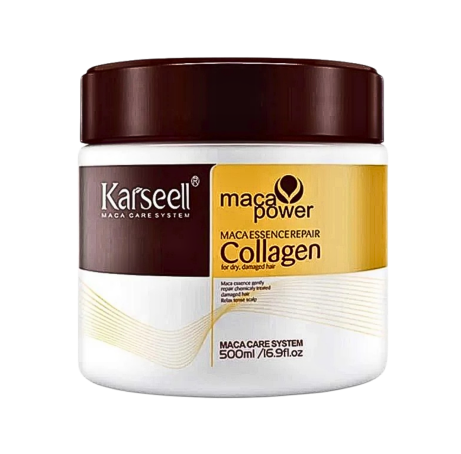
Karseell Collagen Hair Mask
Summary
Karseell Collagen Hair Mask: Review and Overview
Karseell Collagen Hair Mask is a deep-conditioning treatment designed for dry, damaged, frizzy, curly, color-treated, and chemically processed hair. The product is marketed as an intensive treatment that helps improve softness, smoothness, shine, and manageability. Karseell recommends applying the mask after shampooing, concentrating on the mid-lengths and ends, leaving it on for around 5 to 10 minutes, and then rinsing thoroughly. For more severely damaged hair, the brand says it can be left on for up to 15 minutes.
The formula has a rich conditioning base. Cetearyl alcohol appears near the beginning of the ingredient list and is commonly used in hair conditioners to provide a creamy texture and improve softness. The formula also contains stearamidopropyl dimethylamine and ceteardimonium chloride, conditioning ingredients that can help reduce friction and make wet hair easier to detangle. These ingredients are particularly useful for hair that feels rough or difficult to manage after washing.
Karseell also highlights several oils and butters, including coconut oil, argan oil, avocado oil, and shea butter. These ingredients give the mask its nourishing feel and can help improve the appearance of dry, coarse hair. The formula also contains hydrolyzed wheat protein and hydrolyzed soy protein. Protein-containing hair products can temporarily improve the feel and appearance of damaged strands by coating and conditioning the hair. However, it is more accurate to describe this as cosmetic conditioning rather than permanent repair of damaged hair.
The word “collagen” in the product name can sometimes create confusion. A hair mask cannot restore hair to its original biological condition once the hair fiber has been damaged. The more realistic benefit is improved conditioning, smoother-feeling strands, reduced roughness, and a healthier-looking finish. Karseell itself describes the product as a treatment for dry and damaged hair and recommends regular use rather than claiming that existing damage can be permanently reversed.
There are also several botanical extracts in the formula, including yarrow, arnica, wormwood, calendula, chamomile, gentian, and moringa. While these extracts contribute to the product’s ingredient profile, having many plant extracts does not automatically make a product safer or more effective. People with known sensitivities should consider the complete ingredient list rather than focusing only on the “natural” ingredients.
Another important consideration is fragrance. The official ingredient list includes Parfum, meaning the product contains added fragrance. It also contains phenoxyethanol, propylene glycol, and cyclopentasiloxane. These are commonly used cosmetic ingredients, but individual tolerance can vary. Anyone with a known sensitivity to fragrance or particular cosmetic ingredients should check the packaging of the exact product before use.
The formula also appears to vary across Karseell websites and product versions. For example, the official Karseell store currently lists a formula containing coconut oil, while another Karseell regional product page lists dimethicone instead. This is an important E-E-A-T consideration: consumers should use the ingredient list printed on their own packaging as the final reference.
Overall, Karseell Collagen Hair Mask is best viewed as a rich rinse-off conditioning treatment for hair that needs additional softness, moisture, detangling, and smoothing. Its combination of fatty alcohols, conditioning agents, plant oils, butters, and hydrolyzed proteins gives it a practical profile for dry or stressed hair. The main points to consider are its fragrance, extensive botanical blend, rich texture, and differences between regional formulations.
Pros
- Rich conditioning formula for dry or damaged hair
- Contains argan, avocado, coconut and shea butter
- Hydrolyzed wheat and soy proteins support hair conditioning
- Contains cetearyl alcohol and ceteardimonium chloride for softness and detangling
- Polyglutamic acid provides additional conditioning/hydration support
- Sulfate-free and paraben-free according to Karseell
- Suitable for dry, damaged, curly and chemically treated hair
- Designed as an intensive treatment rather than a daily cleanser
Cons
- Contains parfum/fragrance, which can bother fragrance-sensitive users
- Phenoxyethanol may cause irritation in some sensitive individuals
- Multiple botanical extracts increase the number of potential sensitivity triggers
- Coconut oil, shea butter and other rich ingredients may feel heavy on fine hair
- Contains hydrolyzed wheat and soy proteins, relevant for people avoiding these ingredients
- Cyclopentasiloxane provides slip and smoothness but may be undesirable for users seeking a silicone-free formula
- The formula is primarily designed for cosmetic conditioning and appearance, rather than permanently repairing damaged hair
Safety Scores
Ingredient List
Achillea Millefolium Extract, Aqua/Water, Argania Spinosa Kernel Oil, Arnica Montana Flower Extract, Artemisia Absinthium Extract, Butyrospermum Parkii (Shea Butter), Calendula Officinalis Flower Extract, Ceteardimonium Chloride, Ceteareth-20, Cetearyl Alcohol, Chamomilla Recutita (Matricaria) Flower/Leaf Extract, Cocos Nucifera (Coconut) Oil, Cyclopentasiloxane, Gentiana Lutea Root Extract, Hydrolyzed Soy Protein, Hydrolyzed Wheat Protein, Lecithin, Moringa Pterygosperma Seed Extract, Parfum, Persea Gratissima (Avocado) Oil, Phenoxyethanol, Polyglutamic Acid, Propylene Glycol, Stearamidopropyl Dimethylamine, Sunflower Seed Oil Cetyl Esters, Tocopheryl Acetate
You might also like
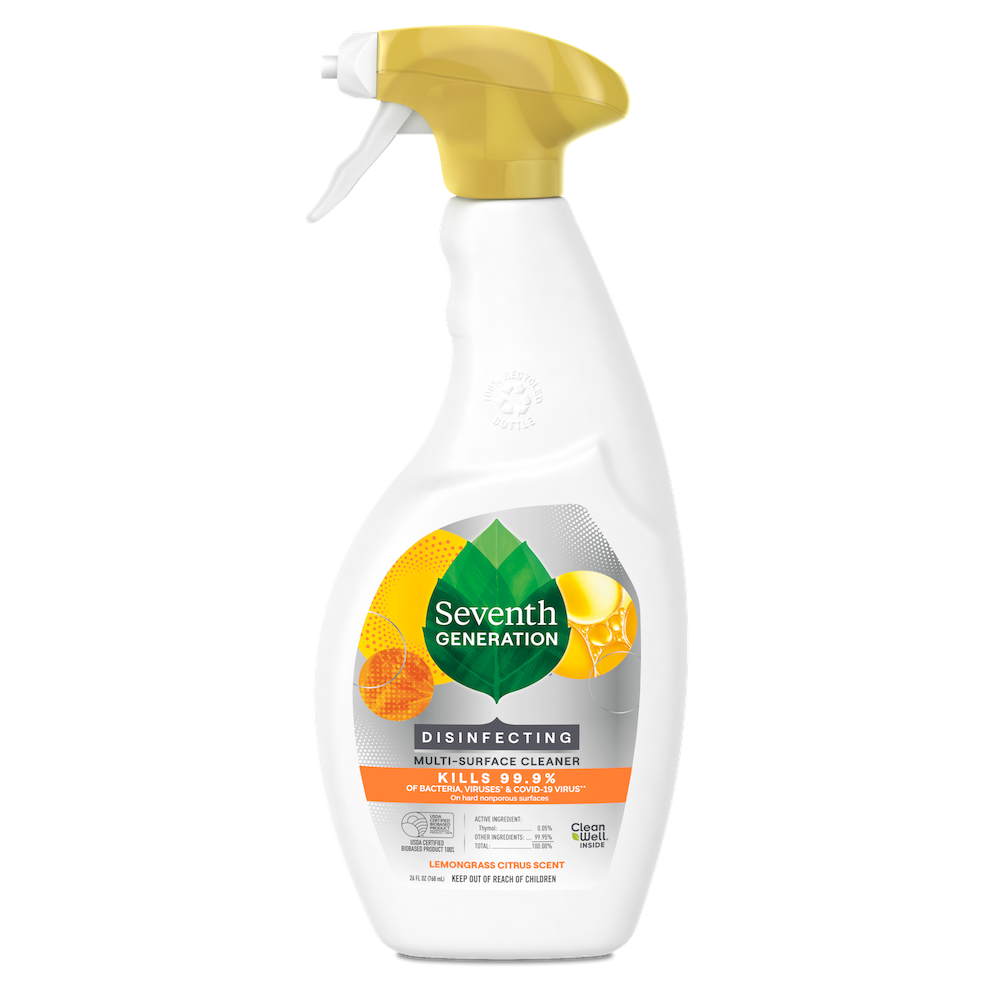
Seventh Generation Disinfecting Spray
Summary
Seventh Generation Disinfecting Spray is a household disinfectant designed for cleaning and disinfecting hard, nonporous surfaces. It is intended for areas where bacteria, viruses, and unpleasant odors may be a concern, including countertops, bathroom surfaces, children’s toys, highchairs, changing tables, pet cages, and pet bowls. The current Eucalyptus, Spearmint & Thyme version uses thymol as its antimicrobial active ingredient and is packaged as an aerosol powered by compressed air.
The main active ingredient is thymol, which Seventh Generation identifies as coming from thyme oil. The company’s current product information lists thymol along with water, sodium lauryl sulfate, citric acid, sodium citrate, copper sulfate pentahydrate, and a mixture of essential oils used for fragrance. The formula also contains compressed air as the propellant. Seventh Generation states that the product is gluten-free and contains no phosphates.
One of the product’s main selling points is its disinfecting performance. According to Seventh Generation, the spray kills 99.9% of bacteria and viruses on hard, nonporous surfaces, including organisms such as Staphylococcus aureus, E. coli, Salmonella enterica, influenza A, rhinovirus, norovirus, and SARS-CoV-2. These are manufacturer claims made for the product under its labeled conditions, so users should follow the instructions on the specific container rather than assuming the spray disinfects every type of surface or microorganism.
The ingredient profile is worth looking at closely from a SafetyScore perspective. Thymol provides the antimicrobial function, while sodium lauryl sulfate helps with cleaning. Citric acid and sodium citrate support the formula, and essential oils provide much of the characteristic scent. The current version lists eucalyptus, mint, spearmint, rosemary, and orange peel oils among its fragrance ingredients. The brand also identifies d-limonene as a fragrance allergen.
Because this is a disinfectant rather than an ordinary surface cleaner, responsible use is important. Seventh Generation specifically instructs users to apply the product to hard, nonporous surfaces and follow the required contact time. The product should not be sprayed directly into the eyes, and household cleaning products should always be kept away from children. An older Seventh Generation safety data sheet for the disinfecting cleaner category reported minimal eye irritation and none-to-slight dermal irritation based on the ingredients, while also noting that exposure can occur through the eyes, skin, ingestion, or inhalation.
Another consideration is fragrance sensitivity. Although the product uses essential oils rather than simply relying on a conventional synthetic fragrance blend, “plant-based” does not automatically mean irritation-free. Essential oils and fragrance components can still be problematic for some sensitive individuals. This is particularly relevant when the spray is used frequently or in poorly ventilated areas.
Overall, Seventh Generation Disinfecting Spray is a purpose-built household disinfectant with a clearly identified antimicrobial ingredient and a disclosed ingredient list. Its strongest advantage is that it combines cleaning, deodorizing, and disinfecting functions in a convenient spray format. The main considerations are proper surface use, following the labeled contact time, avoiding eye exposure, and being aware of fragrance and essential-oil ingredients. For SafetyScore.io, the exact product version should be identified because Seventh Generation sells multiple disinfecting pro
Pros
- Uses thymol 0.05% as the antimicrobial active ingredient
- Effective against a broad range of specified microorganisms
- No bleach
- Uses compressed air as a non-flammable propellant
- No phosphates
- Ingredient disclosure is relatively detailed
- Suitable for hard, nonporous surfaces
- Manufacturer states it does not leave harmful residue when used as directed
Cons
- Contains sodium lauryl sulfate
- Contains essential oils/fragrance
- Fragrance allergens can be present depending on the scent
- Contains copper sulfate pentahydrate at less than 0.1%
- May cause eye or skin irritation if improperly used
- Not intended for direct application to skin
- Aerosol container must be kept away from excessive heat and should not be punctured
Safety Scores
Ingredient List
Aqua/Water, Citric Acid, Compressed Air (Propellant), Copper Sulfate Pentahydrate (Bluestone), Essential Oils/Fragrance, Sodium Citrate, Sodium Lauryl Sulfate, Thymol (0.05%)
You might also like
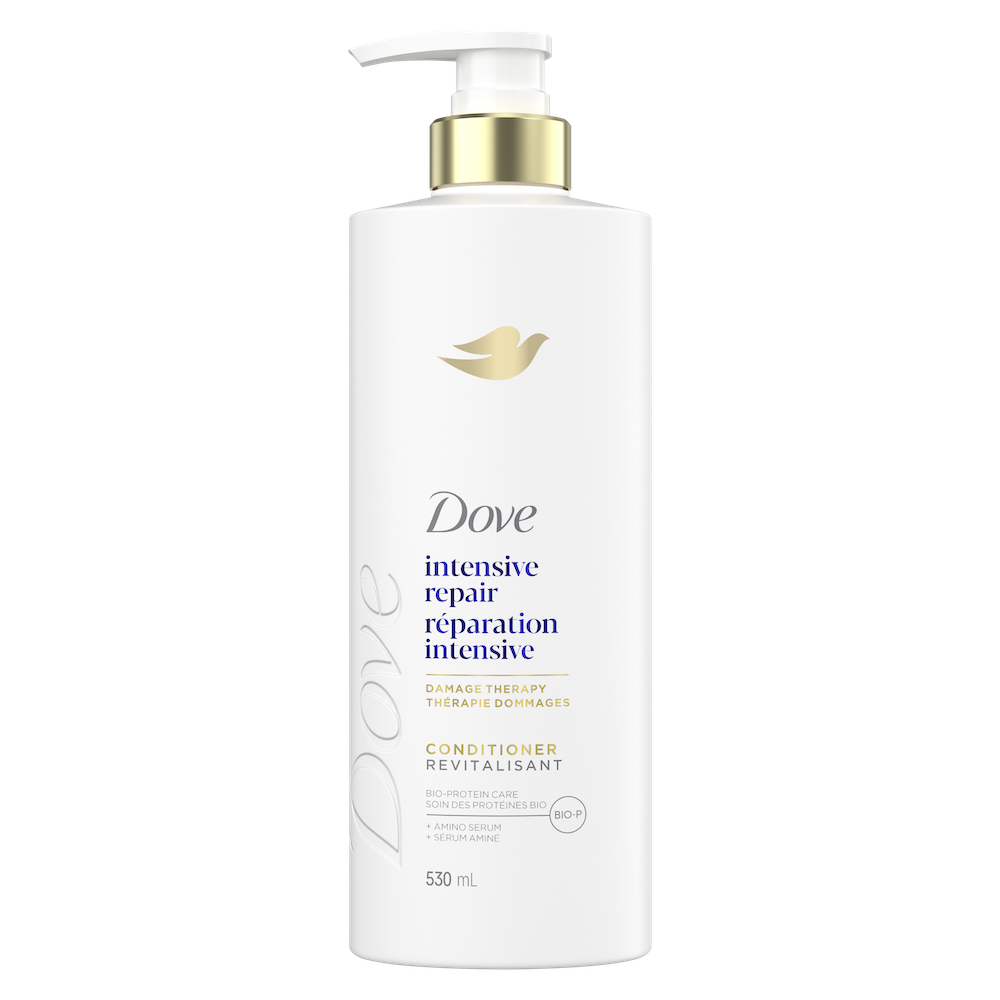
Dove Intensive Repair Conditioner
Summary
Dove Intensive Repair Conditioner is designed for dry, damaged hair that has been exposed to everyday stress such as heat styling, coloring, brushing, and environmental conditions. The conditioner is intended to make damaged hair feel softer, smoother, and easier to manage while helping reduce the appearance of breakage. Dove describes the formula as part of its Intensive Repair range, developed to restore the healthy look and feel of damaged hair.
One of the main reasons people may choose this conditioner is its combination of conditioning agents and smoothing ingredients. Depending on the regional formula, the ingredient list can include cetearyl alcohol, dimethicone or amodimethicone, behentrimonium chloride, glycerin, and other conditioning ingredients. These help improve slip, reduce friction during combing, and leave the hair feeling smoother after washing. Cetearyl alcohol is a fatty alcohol commonly used to give conditioners a creamy texture and improve softness, while silicones such as dimethicone can help smooth the surface of the hair.
The formula has also changed between markets and product versions, so checking the ingredient list on the bottle is important. Current Dove formulas sold in different regions are not always identical. For example, one current U.S. version contains oat peptide, several ceramides, coconut oil, and hydrolyzed soy protein, while another regional Intensive Repair formula contains dimethicone, amodimethicone, glycerin, and additional conditioning ingredients.
Dove positions Intensive Repair Conditioner for damaged hair and recommends applying it after shampooing, leaving it on for about one minute, and then rinsing. The brand reports that its newer Damage Therapy Intensive Repair system can make hair feel up to 10 times stronger and can stop 98% of visible damage due to breakage when the specified shampoo-and-conditioner system is compared with non-conditioning shampoo. These are manufacturer-reported results, so they should be understood as product-testing claims rather than a guarantee that every user will experience the same result.
From a practical perspective, the conditioner is most likely to appeal to people whose hair feels rough, dry, tangled, or weakened from regular styling. The conditioning base can make hair easier to detangle and improve its immediate softness and appearance. However, a conditioner cannot permanently reverse structural hair damage or literally restore a split end to its original state. Its main benefit is improving the feel, appearance, manageability, and protection of damaged hair.
Dove Intensive Repair formulas generally contain parfum/fragrance, and some versions also list fragrance allergens such as limonene, linalool, hexyl cinnamal, or benzyl salicylate. People with a sensitive scalp or known fragrance sensitivities may therefore prefer to check the exact formula before use. Ingredient differences between countries also make the packaging ingredient list the most reliable reference for the specific bottle being purchased.
Dove Intensive Repair Conditioner is a conventional rinse-off conditioner focused on softness, detangling, smoothing, and the appearance of healthier, stronger hair. Its combination of conditioning agents, humectants, proteins or peptides, and in some versions, ceramides gives it a practical profile for damaged and dry hair. For a SafetyScore review, the exact product version should always be identified because Dove uses different formulations in different markets.
Pros
- Designed for damaged and weakened hair
- Helps improve softness and manageability
- Contains conditioning agents for easier detangling
- Dimethiconol/silsesquioxane copolymer helps smooth the hair
- Contains glycerin for hydration
- Suitable for regular use according to Dove
- Can help reduce the appearance of hair damage and breakage
Cons
- Contains fragrance
- Contains fragrance allergens including Alpha-Isomethyl Ionone, Hexyl Cinnamal, Hydroxycitronellal and Linalool
- Contains benzyl alcohol
- May not be ideal for very fragrance-sensitive scalps
- Silicone-based conditioning agents may feel heavy on some fine or easily weighed-down hair
- Individual sensitivity or irritation is still possible
Safety Scores
Ingredient List
2-Hexanediol, Alpha-Isomethyl Ionone, Aqua, Behentrimonium Chloride, Benzyl Alcohol., Cetearyl Alcohol, Cetrimonium Chloride, Dimethiconol/Silsesquioxane Copolymer, Dipropylene Glycol, Disodium EDTA, Gluconolactone, Glycerin, Hexyl Cinnamal, Hydroxycitronellal, Isohexadecane, Lactic Acid, Linalool, Parfum, Sodium Chloride, Sodium Sulfate, Stearamidopropyl Dimethylamine, Trehalose, Trideceth-6
You might also like
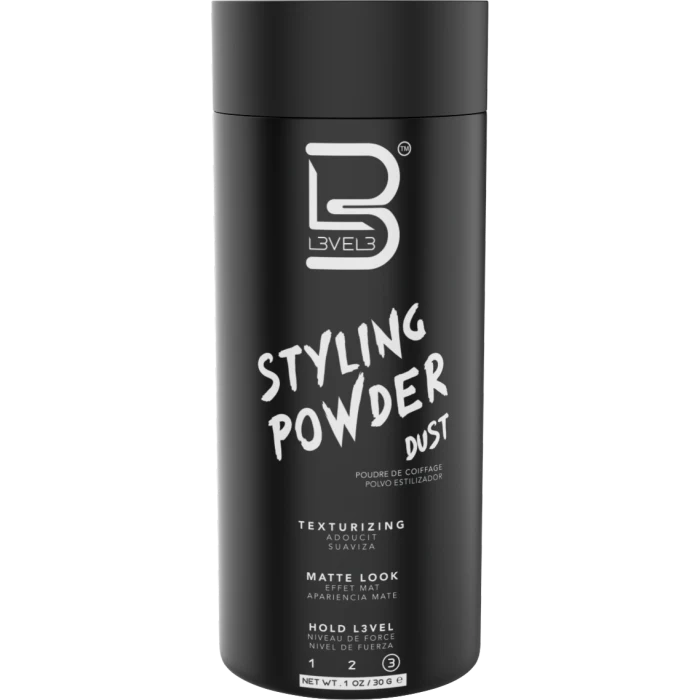
L3 Level 3 Hair Texture Powder
Summary
L3 Level 3 Hair Texture Powder is a styling product designed to add texture, volume, and a fuller appearance to the hair without the heavier feel that can come with traditional gels, creams, or waxes. Hair texture powders are particularly popular for creating a more lifted, separated, and slightly matte hairstyle, making them useful for short to medium-length hair and for styles that need extra body and definition.
The powder works by absorbing some of the oils and moisture around the hair while increasing friction between individual strands. This can make the hair easier to shape and give it a thicker-looking appearance. Instead of creating a glossy or wet finish, a texture powder generally provides a dry, matte effect. This makes L3 Level 3 Hair Texture Powder suitable for casual hairstyles, textured crops, messy looks, and styles where a natural finish is preferred.
One of the main benefits of this type of styling product is convenience. A small amount can usually be applied directly to dry hair, particularly at the roots or areas where additional volume is wanted. The product can then be worked through the hair using the fingers. Because texture powder is lightweight, it can provide noticeable styling control without necessarily weighing the hair down. However, using too much can create a powdery or stiff feeling and may make the hair difficult to restyle.
For people with fine or flat hair, the volumizing effect can be especially useful. The added texture can make individual strands appear more substantial and help hairstyles maintain their shape. It can also provide a degree of grip, allowing the user to create separation between sections of hair rather than having the hair fall completely flat.
As with most cosmetic hair-styling products, tolerance depends on the individual formula and the user’s scalp sensitivity. Hair texture powders may contain fragrances, absorbent powders, and other styling ingredients that can potentially cause dryness or irritation in sensitive individuals. Applying the product mainly to the hair rather than heavily rubbing it into the scalp can help reduce unnecessary exposure. If itching, redness, burning, or persistent dryness develops, use should be discontinued.
Another consideration is buildup. Because texture powders are designed to remain on the hair and provide grip, repeated application without proper washing can leave residue. Regular cleansing can help remove accumulated styling product and keep the scalp and hair comfortable. Users with particularly dry hair may also want to avoid excessive use because oil-absorbing styling products can contribute to a drier feel.
L3 Level 3 Hair Texture Powder is primarily a practical styling product for adding volume, texture, and a matte finish. Its biggest strengths are its lightweight application, ability to create a fuller-looking hairstyle, and convenience for quick styling. The main considerations are potential scalp sensitivity, dryness, fragrance exposure, and product buildup. For best results, a small amount should be used and gradually increased only when additional texture or hold is needed. The exact safety and suitability of the product ultimately depend on its complete ingredient list and the user’s individual hair and scalp characteristics.
Pros
- Adds volume and texture
- Matte, non-greasy finish
- Lightweight styling formula
- PVP provides styling hold
- Silica helps absorb excess oil
- Particularly useful for fine or flat hair
- Can be reworked after application
- Suitable for short to medium hairstyles
Cons
- Contains Alcohol Denat., which can be drying for some scalps
- Contains fragrance
- Contains fragrance allergens: Limonene, Linalool, Citronellol and Citral
- Contains Methylparaben, Ethylparaben and Propylparaben
- Excessive use may leave hair feeling dry or stiff
- Product buildup may cause discomfort or irritation if not properly washed out
- May leave visible residue if too much powder is applied
Safety Scores
Ingredient List
Alcohol Denat, AQUA / WATER / EAU, Citral, Citric Acid, Citronellol, Ethylparaben, Glycerin, Limonene, Linalool, Methylparaben, Parfum (Fragrance), Phenoxyethanol, Propylparaben, PVP, Silica
You might also like
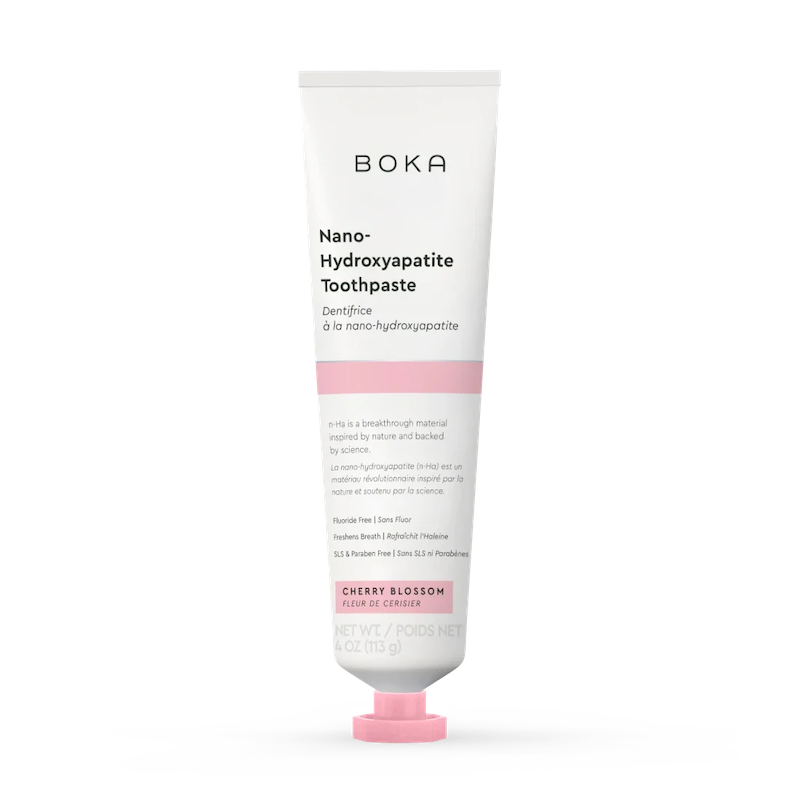
Boka Toothpaste – Nano Hydroxyapatite Toothpaste
Summary
Boka Toothpaste is an oral-care product formulated around nano hydroxyapatite (nHA), a calcium-phosphate mineral designed to support enamel care and everyday oral hygiene. Unlike many conventional toothpastes that use fluoride as their primary remineralizing ingredient, Boka uses nano hydroxyapatite as an alternative active ingredient. The toothpaste is intended for regular brushing and is marketed toward people looking for an enamel-focused formula.
Nano hydroxyapatite is chemically similar to the mineral naturally found in tooth enamel and dentin. Because of this similarity, it has attracted attention as an ingredient for supporting enamel remineralization and reducing the appearance of early enamel damage. Boka’s use of nano hydroxyapatite is one of the product’s defining characteristics and is a major reason consumers choose it over conventional fluoride toothpastes.
The toothpaste is designed to help clean teeth while supporting overall oral hygiene. Regular brushing helps remove plaque and food particles, which are important contributors to tooth decay and gum problems. The effectiveness of any toothpaste therefore depends not only on its ingredients but also on consistent brushing technique, frequency, and broader dental-care habits.
Another potential advantage of Boka is its focus on a relatively gentle oral-care experience. Some Boka formulas are made without fluoride and may also avoid certain ingredients that some consumers prefer to limit. Depending on the specific flavor and formulation, the toothpaste may contain ingredients intended to provide flavor, texture, and cleaning properties while maintaining the product’s nano-hydroxyapatite-based approach.
However, the absence of fluoride is an important consideration. Fluoride has a well-established role in preventing dental caries, and many dental organizations recommend fluoride toothpaste for routine cavity prevention. Nano hydroxyapatite is a promising alternative ingredient, but consumers should not automatically assume that a fluoride-free toothpaste provides exactly the same level of cavity protection for every person. People at higher risk of cavities may want to discuss their toothpaste choice with a dentist.
Another consideration is that Boka offers multiple formulations and flavors, so the ingredient list may vary between products. Some people may also experience sensitivity to particular flavoring ingredients or other components of a toothpaste. If brushing causes persistent irritation, burning, swelling, or discomfort, discontinuing the product and seeking professional advice may be appropriate.
Boka Toothpaste should also be viewed as part of a complete oral-care routine rather than a replacement for professional dental care. Brushing twice daily, cleaning between the teeth, maintaining a balanced diet, and attending regular dental examinations remain important for maintaining oral health.
Boka Toothpaste provides an alternative approach to everyday tooth care through its use of nano hydroxyapatite. Its main appeal is the focus on enamel mineral support and a fluoride-free formulation. The primary consideration is that fluoride remains a widely recommended ingredient for preventing cavities, so the suitability of a nano-hydroxyapatite toothpaste can depend on an individual’s dental-health needs and risk factors.
Pros
- Contains nano-hydroxyapatite (n-Ha)
- Fluoride-free
- SLS-free
- Paraben-free
- No artificial colors
- Contains xylitol
- Contains aloe vera and green tea extract
- Low-foaming formula
- Designed for daily use
- Suitable for sensitive teeth according to Boka
Cons
- Fluoride-free, which may be a consideration for people seeking conventional fluoride cavity protection
- Contains peppermint, spearmint, wintergreen and anise oils
- Contains menthol
- Contains limonene, which may cause sensitivity in some individuals
- Essential oils may be irritating for some sensitive mouths
- The exact percentage of nano-hydroxyapatite is not disclosed
- Nano-hydroxyapatite toothpastes can be more expensive than conventional toothpaste
Safety Scores
Ingredient List
Aloe Barbadensis Leaf Juice, Camellia Sinensis Leaf Extract, Cucumis Sativus (Cucumber) Fruit Extract, Dimethyl Sulfone, Elettaria Cardamomum Seed Oil, Gaultheria Procumbens (Wintergreen) Leaf Oil, Glycerin, Hydrated Silica, Hydroxyapatite*, Illicium Verum (Anise) Fruit/Seed Oil, Limonene, Mangifera Indica (Mango) Fruit Extract, Mentha Piperita (Peppermint) Oil, Mentha Viridis (Spearmint) Leaf Oil, Menthol, Nano-hydroxyapatite, Persea Gratissima (Avocado) Fruit Extract, Potassium Chloride, Silica, Sodium Benzoate, Sodium Bicarbonate, Sodium Lauroyl Sarcosinate, Sorbitol, Stevia Rebaudiana Leaf/Stem Extract, Water (Aqua/Eau), Xanthan Gum, Xylitol
You might also like
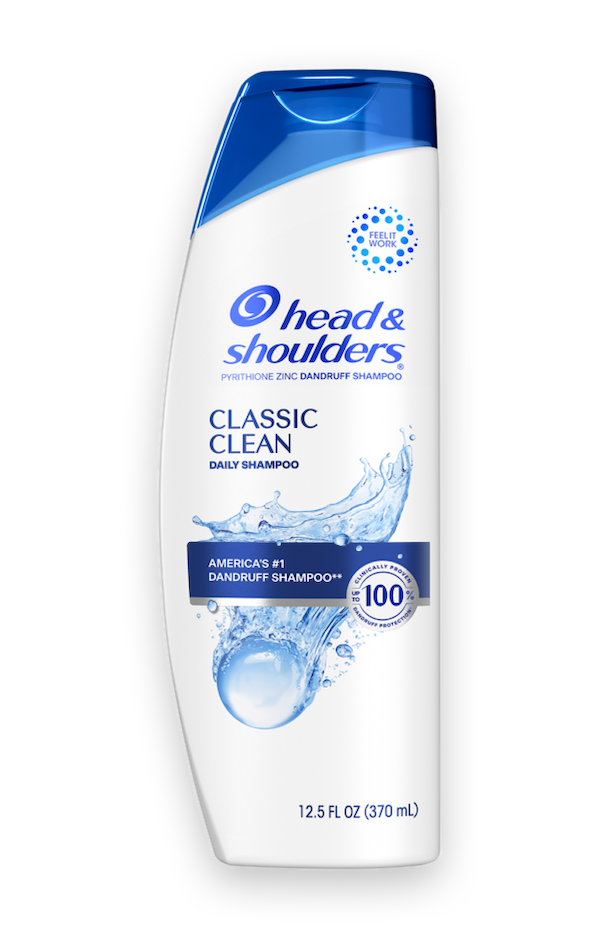
Head & Shoulders Classic Clean
Summary
Head & Shoulders Classic Clean is an anti-dandruff shampoo designed to cleanse the hair and scalp while helping control dandruff and the visible flakes associated with it. It is intended for regular use and combines cleansing ingredients with an active anti-dandruff ingredient. The Classic Clean range is positioned as an everyday shampoo that can help maintain a cleaner, fresher-feeling scalp while addressing one of the most common scalp concerns.
Dandruff can be associated with flaking, itching, and scalp discomfort. Unlike a standard cosmetic shampoo, an anti-dandruff formula is designed to provide additional scalp care. Head & Shoulders Classic Clean typically uses an anti-dandruff active such as pyrithione zinc in markets where that ingredient is permitted, although the formulation can differ depending on the country and product version. The active ingredient is intended to help reduce dandruff when the product is used according to its directions.
The shampoo also contains cleansing agents that remove excess oil, dirt, sweat, and product buildup from the scalp and hair. Effective cleansing can be particularly useful for people with oily scalps or recurring dandruff. However, stronger cleansing can sometimes leave the scalp or hair feeling dry, especially when the product is used more frequently than necessary.
One of the advantages of Head & Shoulders Classic Clean is its focus on scalp cleanliness. For people who experience regular dandruff, using an anti-dandruff shampoo consistently can be more useful than relying only on conventional cosmetic shampoos. The product can also help the hair feel clean and refreshed after washing.
At the same time, individual scalp tolerance is important. Some people may experience dryness, irritation, itching, or changes in hair texture depending on their scalp condition and how frequently they use the shampoo. Fragrance is present in some versions of the product and may also be a consideration for individuals who prefer fragrance-free hair-care products or who are sensitive to fragranced formulas.
It is also important to understand that an anti-dandruff shampoo is not necessarily appropriate for every type of scalp problem. Flaking can have different causes, and persistent or severe symptoms may require a more specific diagnosis and treatment. If dandruff is accompanied by significant redness, inflammation, pain, thick scaling, or persistent itching, professional medical advice may be appropriate.
For everyday users, the product can be incorporated into a regular hair-care routine according to the instructions on the specific bottle. Using the recommended amount and rinsing thoroughly can help reduce unnecessary exposure to cleansing ingredients. People with dry or curly hair may also choose to use a conditioner on the lengths and ends to help maintain softness.
Head & Shoulders Classic Clean is primarily focused on dandruff control and scalp cleansing rather than intensive hair repair or hydration. Its main strength is its anti-dandruff purpose, making it relevant for people who regularly experience visible flakes. Its main considerations are potential dryness or sensitivity and differences between formulations sold in different markets.
The exact ingredient list and active ingredient can vary by country and may change following reformulation. Consumers should therefore check the packaging of the specific product they are purchasing for the most accurate and current information.
Pros
- Effective anti-dandruff formula
- Contains Piroctone Olamine
- Designed for daily use
- pH-balanced
- Dermatologically tested
- Suitable for different hair and scalp types
- Contains glycerin, niacinamide and panthenol
- Dimethicone and dimethiconol provide conditioning and smoothing benefits
Cons
- Contains Sodium Laureth Sulfate
- Contains Sodium Xylenesulfonate
- Contains fragrance
- Contains fragrance allergens including Hexyl Cinnamal and Linalool
- May be drying or irritating for some sensitive scalps
- Contains synthetic colorants CI 42090 and CI 17200
- Not ideal for people who prefer fragrance-free shampoos
Safety Scores
Ingredient List
Acetic Acid, Aqua, Benzyl Alcohol., CI 17200, CI 42090, Citric Acid, Cocamide MEA, Cocamidopropyl Betaine, Dimethicone, Dimethiconol, Glycerin, Glycol Distearate, Guar Hydroxypropyltrimonium Chloride, Hexyl Cinnamal, Linalool, Niacinamide, Panthenol, Parfum, Piroctone Olamine, Propylene Glycol, Sodium Benzoate, Sodium Chloride, Sodium Citrate, Sodium Hydroxide, Sodium Laureth Sulfate, Sodium Salicylate, Sodium Xylenesulfonate, TEA-Dodecylbenzenesulfonate, Tetrasodium EDTA, Tocopheryl Acetate, Trideceth-10, Triethylene Glycol