
SafetyScore
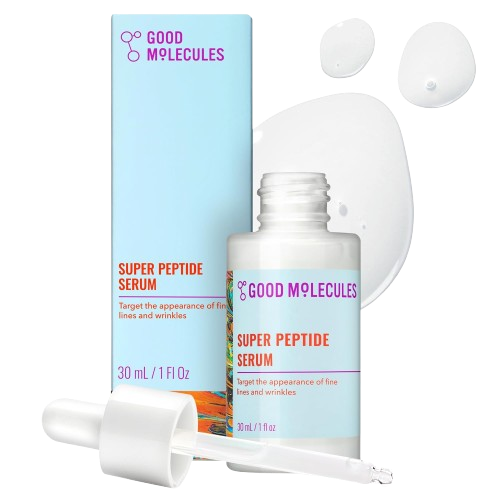
Good Molecules Super Peptide Serum
Summary
`Good Molecules Super Peptide Serum is a lightweight, fragrance-free facial serum designed to target several common signs of skin aging, including fine lines, wrinkles, dehydration and loss of firmness. Rather than relying on retinol or exfoliating acids, the formula uses a combination of peptides, copper tripeptide, glycerin and sodium hyaluronate to support smoother-looking, hydrated skin. Good Molecules describes it as suitable for all skin types and suitable for daily use in both morning and evening routines.
The main focus of the formula is its peptide blend. It contains Acetyl Hexapeptide-8, Acetyl Octapeptide-3 and Copper Tripeptide-1. Peptides are commonly used in anti-aging skincare because certain peptide ingredients may help support the appearance of firmness and fine lines. The American Academy of Dermatology also lists peptides among ingredients that may be used in products targeting signs of skin aging.
Good Molecules specifically describes Acetyl Hexapeptide-8 and Acetyl Octapeptide-3 as ingredients intended to reduce the appearance of fine lines and wrinkles, while Copper Tripeptide-1 is positioned around the appearance of firmness. These are manufacturer descriptions rather than a guarantee of a particular cosmetic result. The serum also contains sodium hyaluronate, a form of hyaluronic acid that helps support skin hydration.
The supporting formula is relatively simple. Water makes up the largest portion, followed by 10% propanediol and 3.8% glycerin. Both are commonly used as humectant or moisturizing ingredients. The formula also includes 1,2-hexanediol and small amounts of conditioning ingredients that help give the serum its texture. There is no added fragrance listed by the manufacturer, which can be useful for people who prefer to avoid fragranced facial products.
From a skin-safety perspective, one advantage is that the serum does not rely on strong exfoliating acids or retinoids. This means it may fit more easily into a routine for someone who wants an anti-aging product without introducing a retinoid. However, “gentle” should not be interpreted as “risk-free.” Any cosmetic product can cause irritation or an allergic reaction in an individual user.
The serum is also designed to be easy to layer. Good Molecules recommends applying a few drops to the face in the morning and evening, before oils, creams or moisturizers, and allowing approximately 30 seconds before continuing with the rest of the routine.
Realistic expectations are important. Peptide serums can complement a broader skincare routine, but they should not be expected to produce results comparable to professional procedures or prescription treatments. The American Academy of Dermatology emphasizes that anti-aging skincare generally provides modest results and recommends focusing on established basics such as moisturizer and daily broad-spectrum SPF 30 or higher.
Another advantage is that the serum can be used alongside a basic moisturizer and sunscreen without making the routine unnecessarily complicated. Good Molecules lists the product as vegan and cruelty-free as well as fragrance-free. The company also lists the serum at a skin-friendly pH of 6.09.
For SafetyScore purposes, the formula has a relatively low-complexity ingredient profile and avoids several ingredients that commonly increase irritation potential in treatment products, such as retinoids and strong exfoliating acids. The main consideration is individual sensitivity rather than an obvious high-risk component. Dermatologists recommend introducing new skincare products carefully and stopping a product that causes persistent burning, stinging, itching or redness.
Good Molecules Super Peptide Serum is a straightforward peptide-based serum aimed at hydration and the appearance of fine lines and firmness. Its fragrance-free formula, relatively short ingredient list and lack of strong exfoliating actives make it an accessible option for people looking to add a peptide product to their routine. The strongest results should be viewed as part of a complete skincare routine rather than from the serum alone.
As with any cosmetic product, the ingredient list can change. Good Molecules specifically advises consumers to check the product packaging for the most complete and current ingredient information.
Pros
- Fragrance-free, which can be useful for people who prefer to avoid added fragrance.
- Contains Acetyl Hexapeptide-8 and Acetyl Octapeptide-3, targeted by the brand toward the appearance of fine lines and wrinkles.
- Includes Copper Tripeptide-1 for a firmness-focused skincare approach.
- 3.8% glycerin provides humectant-based hydration.
- 10% propanediol contributes to the lightweight hydrating formula.
- Contains sodium hyaluronate for additional moisture support.
- No retinol or strong exfoliating acids, giving the formula a relatively low-irritation profile.
- Suitable for daily morning and evening use, according to Good Molecules.
- The manufacturer lists the product as vegan and cruelty-free.
Cons
- Peptides are primarily a cosmetic anti-aging treatment, so expectations for dramatic wrinkle reduction should be realistic.
- Individual users can still experience irritation or sensitivity despite the fragrance-free formula.
- The formula contains several peptide ingredients at relatively small disclosed concentrations; the manufacturer lists Acetyl Hexapeptide-8 and Acetyl Octapeptide-3 at 25 ppm each and Copper Tripeptide-1 at 5 ppm.
- It is mainly focused on hydration and the appearance of fine lines, rather than treating pigmentation, acne or significant photoaging.
- The ingredient list can change, so the packaging should be checked for the most current formulation.
Safety Scores
Ingredient List
2-Hexanediol, Acetyl Hexapeptide-8, Acetyl Octapeptide-3, Ammonium Acryloyldimethyltaurate/VP Copolymer, AQUA / WATER / EAU, Capryloyl Glycerin/Sebacic Acid Copolymer, Caprylyl Glycol, Copper Tripeptide-1, Diheptyl Succinate, Ethylhexylglycerin, Glycerin, Glycine, Propanediol, Sodium Hyaluronate, Tocopherol, Xanthan Gum
You might also like
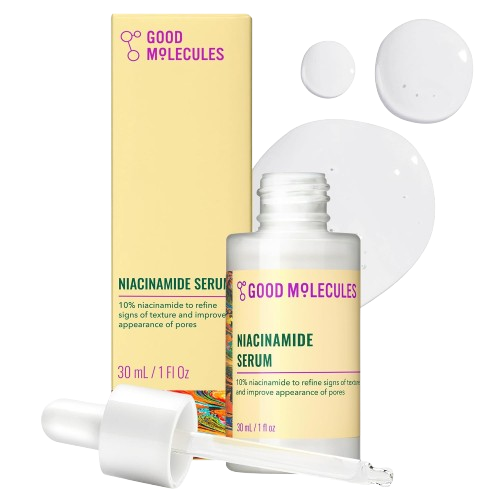
Good Molecules Niacinamide Serum
Summary
Good Molecules Niacinamide Serum is a simple, lightweight facial serum built around 10% niacinamide (vitamin B3). It is designed to improve the appearance of enlarged pores, uneven skin tone, dullness and rough texture. Good Molecules describes the serum as fragrance-free, vegan and suitable for daily use, including for combination and oily skin.
The formula is notably short compared with many modern skincare serums. The manufacturer lists water as the primary ingredient, followed by 10% niacinamide, dipropylene glycol, glycerin, 1,2-hexanediol and betaine. There is also a small amount of tocopherol (vitamin E). This relatively uncomplicated ingredient list makes the product easier to evaluate and may be useful for people who prefer straightforward skincare formulas.
Niacinamide is a well-established cosmetic ingredient with several potential skin benefits. It is the amide form of vitamin B3 and has been studied for its role in supporting the skin barrier, reducing inflammation and improving the appearance of pigmentation. A dermatology review found evidence for topical niacinamide across several cosmetic and dermatological applications, although the strength of evidence differs depending on the condition being treated.
There is also research specifically relevant to acne-prone skin. A review of clinical studies found that topical nicotinamide showed potential benefits for acne, although the authors emphasized that the available evidence was limited and that additional studies were needed. This is important when assessing the product: niacinamide can be a useful supporting ingredient for acne-prone skin, but this serum should not be considered a substitute for established acne treatments when medical treatment is needed.
Niacinamide may also help with uneven pigmentation. A systematic review of topical treatments for post-inflammatory hyperpigmentation identified niacinamide among ingredients supported by clinical studies. The review also emphasized the importance of sun protection, since ultraviolet exposure can contribute to persistent pigmentation.
The 10% concentration is one of the main features of this product. It is considerably higher than the 2–5% concentrations used in some clinical research on pigmentation and skin barrier benefits. A higher concentration does not automatically mean better results, and some people may find a 10% niacinamide serum more irritating than a lower-strength formula. For users with sensitive skin, starting slowly can be a practical approach.
The rest of the formula is relatively uncomplicated. Glycerin and betaine are humectant ingredients that help attract and retain water in the skin, while dipropylene glycol helps with the texture and delivery of the formula. Tocopherol provides an antioxidant component. Importantly, the manufacturer’s current formula does not list added fragrance, which can be beneficial for people who prefer fragrance-free skincare.
Despite its generally straightforward profile, irritation remains possible. Some people can experience redness, burning, itching or small bumps when using high-concentration niacinamide products. These reactions do not necessarily mean that niacinamide is unsafe; they may reflect individual sensitivity or the concentration used. Introducing the serum gradually and avoiding excessive layering of multiple potentially irritating products can help identify whether the formula suits the skin.
Another positive point is transparency. Good Molecules publishes the concentration of its main active ingredient and provides a complete ingredient list, while also stating that formulations can change and that the packaging should be checked for the latest information.
Overall, Good Molecules Niacinamide Serum is a simple 10% niacinamide formula aimed at uneven tone, visible pores and skin texture. Its strongest points are the relatively short ingredient list, fragrance-free formulation and the established research surrounding niacinamide. Its main limitation is that 10% may be more than some sensitive skin types need, and cosmetic niacinamide should not be presented as a treatment for significant acne or pigmentation disorders.
For SafetyScore.io, the product can reasonably be viewed as a low-complexity, generally well-tolerated cosmetic serum, with a small allowance for irritation because of its relatively high niacinamide concentration. As always, users should check the ingredient list on the product they purchase because formulations may change over time.
Pros
- 10% niacinamide for improving the appearance of uneven tone and texture.
- Short and relatively simple ingredient list.
- Fragrance-free, which can be helpful for fragrance-sensitive users.
- Contains glycerin and betaine for hydration.
- Includes tocopherol (vitamin E), an antioxidant and skin-conditioning ingredient.
- Lightweight, water-based texture.
- Suitable for daily AM/PM use according to the manufacturer.
- Suitable for all skin types, with the brand particularly highlighting combination and oily skin.
Cons
- 10% niacinamide is relatively concentrated and may be more irritating for some sensitive users than lower-strength formulas.
- Some users may experience temporary redness, burning or irritation.
- The formula is focused mainly on niacinamide and hydration, so it does not contain a large range of additional treatment ingredients.
- Niacinamide should not be considered a replacement for medical acne treatment when significant acne is present.
- Good Molecules states that formulations can change, so the packaging should be checked for the latest ingredient information.
Safety Scores
Ingredient List
1, 2-Hexanediol (2%), Ammonium Acryloyldimethyltaurate/VP Copolymer (0.30%), Aqua/Water/Eau (80.6%), Betaine (1%), Dipropylene Glycol (4%), Ethylhexylglycerin 0.05%, Glycerin (2%), Niacinamide (10%), Tocopherol 5 ppm, Xanthan Gum (0.10%)
You might also like
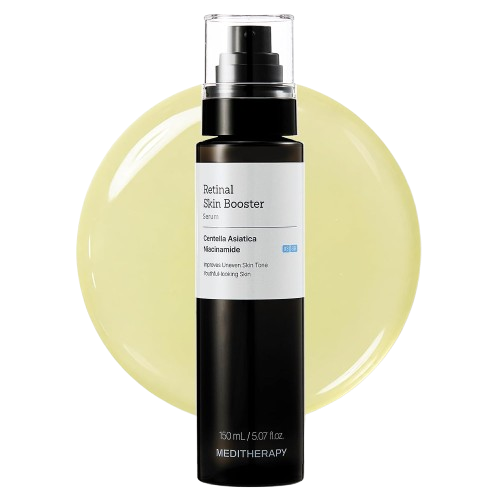
MEDITHERAPY Retinal Skin Booster
Summary
MEDITHERAPY Retinal Skin Booster is a Korean skincare serum designed around retinal, a vitamin A derivative commonly used in anti-aging skincare. The product is marketed toward concerns such as fine lines, uneven skin tone, loss of firmness and overall skin texture. MEDITHERAPY lists 100 ppm of retinal, equivalent to approximately 0.01% retinal, in the formula. The serum also combines retinal with niacinamide, hyaluronic acid, ceramide NP, panthenol, beta-glucan, centella asiatica and vitamin E.
Retinal, also known as retinaldehyde, is one of the better-studied cosmetic retinoids. It is a precursor to retinoic acid and has been investigated for improving signs of photoaging. Clinical research has found that topical retinaldehyde can improve aspects of skin texture and photoaging while generally being well tolerated. However, evidence from studies of retinaldehyde as an ingredient should not automatically be treated as proof that every commercial retinal product will deliver identical results. Formulation, concentration and application frequency all matter.
The concentration in this MEDITHERAPY formula is relatively low compared with the 0.05% and 0.1% retinaldehyde concentrations investigated in some clinical trials. One randomized controlled study involving 40 women found that both 0.05% and 0.1% retinaldehyde creams improved skin texture and hydration after three months, with both formulations reported as well tolerated. The 0.1% formulation also produced a significant improvement in the study’s melanin index. These findings provide useful context for retinaldehyde, but they should not be directly transferred to MEDITHERAPY’s much lower 0.01% concentration.
One of the strengths of the MEDITHERAPY formula is that retinal is not used alone. Niacinamide appears relatively high in the ingredient list and is commonly used to support the skin barrier and improve the appearance of uneven tone. The formula also contains glycerin and sodium hyaluronate for hydration, along with cholesterol and ceramide NP, which are useful components in barrier-focused skincare. Panthenol and beta-glucan add additional moisturizing and skin-conditioning ingredients.
The ingredient list also includes several botanical and antioxidant ingredients, including centella asiatica, green tea water, artichoke leaf extract, fig extract, carrot extract and Polygonum cuspidatum root extract. These ingredients may contribute antioxidant or skin-conditioning properties, although the presence of an ingredient in a cosmetic formula does not necessarily mean that it will produce a clinically meaningful effect at the final concentration used.
Another point worth considering is the product’s liposomal delivery claim. MEDITHERAPY states that its retinal is contained in ultra-small liposome particles and claims enhanced absorption compared with standard retinol. These are manufacturer claims rather than independent clinical conclusions. For a SafetyScore assessment, it is more appropriate to evaluate the disclosed ingredients and concentration rather than assume that a marketing claim establishes superior efficacy.
From a safety perspective, the relatively low disclosed retinal concentration may make this product less aggressive than stronger retinal treatments. Nevertheless, retinal is still a vitamin A derivative and can cause dryness, redness, peeling or irritation in some users. Published research indicates that retinaldehyde generally has a favorable tolerance profile, but individual skin sensitivity remains important.
The formula is also notable for containing ceramide NP, cholesterol, panthenol and beta-glucan, which can be useful in a routine where maintaining skin comfort is important. However, the long ingredient list includes numerous botanical extracts, so people with known sensitivities to particular plant-derived ingredients should review the complete ingredient list carefully.
Overall, MEDITHERAPY Retinal Skin Booster is a relatively gentle-looking retinal serum built around a 0.01% disclosed retinal concentration, supported by hydrating, barrier-supporting and antioxidant ingredients. The available scientific evidence supports retinaldehyde as a legitimate cosmetic retinoid, although the strongest clinical evidence cited above involves higher concentrations than this product.
For SafetyScore.io, the main positive factors are the relatively low retinal concentration and the inclusion of niacinamide, ceramide NP, cholesterol, panthenol and other conditioning ingredients. The main considerations are potential retinoid irritation and the uncertainty around marketing claims concerning enhanced delivery. As with other vitamin A skincare products, gradual introduction and daytime sunscreen use are sensible parts of a routine.
Pros
- 0.01% retinal (100 ppm) provides a relatively gentle vitamin-A approach.
- Contains niacinamide for skin conditioning and barrier support.
- Ceramide NP and cholesterol help support the skin barrier.
- Contains panthenol and beta-glucan for moisturizing and soothing properties.
- Sodium hyaluronate and glycerin provide hydration.
- Includes Centella asiatica, madecassoside and asiaticoside.
- Contains antioxidant ingredients including tocopherol, green tea water and vitamin C derivatives.
- Fragrance-free according to available ingredient databases.
- The product has undergone an irritation test, according to retailer product information.
Cons
- Retinal can still cause dryness, redness, peeling or irritation, particularly when introduced too quickly.
- The formula contains a large number of botanical and active ingredients, which may increase the number of ingredients an especially sensitive user needs to consider.
- Contains macadamia seed oil, which may not suit everyone.
- The product's claims about enhanced liposomal absorption and clinical improvements are manufacturer claims and should not be treated as independent proof of performance.
- People who are sensitive to vitamin-A products should introduce it gradually.
Safety Scores
Ingredient List
1, 2-Hexanediol, Acetyl Hexapeptide-1, Adenosine, Aluminum/Magnesium Hydroxide Stearate, Ammonium Acryloyldimethyltaurate/VP Copolymer, Artichoke Leaf Extract, Ascorbyl Tetraisopalmitate, Asiatic Acid, Asiaticoside, Beta-Carotene, Beta-Glucan, Bifida Ferment Lysate, Butylene Glycol, Canola Oil, Caprylic/Capric Triglyceride, Caprylyl Glycol, Carbomer, Carrot Extract, Carrot Seed Oil, Centella Asiatica Extract, Centella Asiatica Leaf Extract, Centella Asiatica Root Extract, Ceramide NP, Cholesterol, Disodium EDTA, Ethylhexylglycerin, Fig Extract, Glycerin, Green Tea Water, Hydrogenated Lecithin, Hydroxypropyl Cyclodextrin, Kava Kava Leaf/Root/Stem Extract, Lactobionic Acid, Macadamia Seed Oil, Madecassic Acid, Madecassoside, Methylpropanediol, Myristyl Alcohol, Niacinamide, Oat Kernel Extract, Panthenol, PCA, Pentaerythrityl Tetra-Di-T-Butyl Hydroxyhydrocinnamate, Phenyltrimethicone, Polyglycerin-3, Polyglyceryl-10 Laurate, Polygonum Cuspidatum Root Extract, Polyquaternium-51, Potassium Cetyl Phosphate, Propanediol, Rapeseed Sterol, Retinal (100 ppm), Silverweed Extract, Sodium Acrylic Acid/MA Copolymer, Sodium Ascorbyl Phosphate, Sodium Hyaluronate, Sucrose Distearate, Sunflower Seed Oil, Tocopherol, Tocopheryl Acetate, Tromethamine, Water, Xanthan Gum, Yeast Ferment Filtrate
You might also like
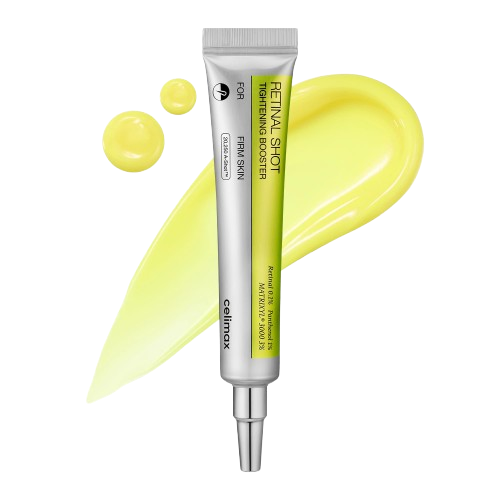
celimax The Vita A Retinal Shot Tightening Booster
Summary
celimax The Vita A Retinal Shot Tightening Booster is a targeted vitamin A skincare treatment designed for people concerned about wrinkles, enlarged pores, uneven texture and loss of firmness. The formula contains 0.1% retinal, along with niacinamide, panthenol, vitamin E, adenosine and Matrixyl peptides. According to celimax, the product uses its A-Shot technology to help deliver the active ingredients into the skin and is intended to be applied in small amounts to areas of concern.
The key ingredient is retinal (retinaldehyde). Retinal is a vitamin A derivative that sits between retinol and retinoic acid in the skin’s conversion pathway. It has been studied for its effects on skin renewal and signs of photoaging. A clinical review of topical retinoids describes retinaldehyde as having a favorable activity-to-tolerance profile, although the strength of evidence varies between different formulations and concentrations.
The product contains 0.1% retinal, which is a meaningful concentration for a cosmetic retinal product. Published research has investigated 0.1% retinaldehyde formulations for photoaged skin, with results supporting improvements in certain measures of wrinkles and skin texture while maintaining a generally good safety profile. However, those clinical findings should not automatically be interpreted as proof that this specific celimax formulation will produce identical results, because formulation and study conditions differ.
One of the more useful aspects of the formula is that retinal is combined with several skin-conditioning ingredients. Niacinamide is included relatively high in the ingredient list, while panthenol provides a moisturizing and soothing component. The formula also contains glycerin, vitamin E (tocopherol), sodium lactate and several emollients that contribute to skin conditioning. These ingredients can be useful when introducing an active vitamin A product into a routine.
The formula also contains Palmitoyl Tripeptide-1 and Palmitoyl Tetrapeptide-7, commonly associated with Matrixyl-type peptide formulations. celimax markets the product as containing 3% Matrixyl, although the complete ingredient list does not separately disclose the concentration of each peptide. For that reason, it is more appropriate to describe the peptides as supporting ingredients rather than assuming a specific individual peptide concentration.
The main consideration from a safety perspective is still retinal irritation. Even though published studies generally report good tolerance, vitamin A derivatives can cause dryness, redness, peeling or temporary sensitivity, particularly when someone is new to them. celimax specifically recommends using the product every other night for the first two weeks and reducing the amount or frequency if irritation develops.
Retinaldehyde has a relatively well-documented tolerance profile. Older clinical research involving topical retinaldehyde found that 0.1% and 0.05% preparations were generally well tolerated with prolonged use. Another study comparing topical retinoids found substantially more irritation with retinoic acid than with retinaldehyde. These studies provide useful evidence about the ingredient itself, but they do not eliminate the possibility of individual reactions.
For someone starting this product, gradual introduction is sensible. Using it at night and applying moisturizer can help improve comfort. celimax also recommends sunscreen the following morning. People with an already damaged or irritated skin barrier should be particularly cautious with vitamin A products.
Overall, celimax The Vita A Retinal Shot Tightening Booster has a relatively focused formula built around 0.1% retinal, supported by niacinamide, panthenol, antioxidants and peptides. Its principal strength is the use of a well-studied retinaldehyde concentration, while its main limitation is the potential for retinoid-related irritation. The available evidence supports retinal as a legitimate cosmetic active, but individual tolerance and results can vary considerably.
For SafetyScore.io, the product can reasonably be evaluated as a retinal-based active treatment rather than a basic moisturizer. Its ingredient profile is generally straightforward, but users should introduce it gradually and follow the manufacturer’s directions, particularly if they have sensitive or easily irritated skin.
Pros
- Contains 0.1% retinal, a vitamin A derivative used for improving the appearance of wrinkles and uneven texture.
- Contains niacinamide and 1% panthenol, which provide skin-conditioning and barrier-supporting benefits.
- Includes Palmitoyl Tripeptide-1 and Palmitoyl Tetrapeptide-7.
- Contains tocopherol (vitamin E) and ascorbic acid.
- No added fragrance appears in the published ingredient list.
- Designed to target wrinkles, enlarged pores and uneven texture.
- Manufacturer recommends gradual introduction, which is useful for reducing irritation when starting a retinal product.
Cons
- Retinal can cause irritation, especially for people who are new to vitamin A products.
- Dryness, redness, peeling or tingling can occur.
- The product contains hydrolyzed sponge, associated with the product's A-Shot technology, which may contribute to a tingling sensation.
- Not the best choice for skin that is already irritated or has a compromised barrier.
- Requires consistent daytime sunscreen use according to the manufacturer.
- Individual tolerance can vary, so a patch test is sensible before regular use.
Safety Scores
Ingredient List
2-Hexanediol, Adenosine, Arginine, Ascorbic Acid, Butylene Glycol, Caprylic/Capric Triglyceride, Carbomer, Cetearyl Alcohol, Cetearyl Glucoside, Cetearyl Olivate, Diisostearyl Malate, Dimethicone/Vinyl Dimethicone Crosspolymer, Disodium EDTA, Ethylhexylglycerin, Glucose, Glycerin, Hydrolyzed Sponge, Hydroxyethyl Acrylate/Sodium Acryloyldimethyl Taurate Copolymer, Lecithin, Niacinamide, Palmitoyl Tetrapeptide-7, Palmitoyl Tripeptide-1, Panthenol, Polypropylsilsesquioxane, Polysorbate 20, Retinal, Sodium Lactate, Sorbitan Isostearate, Sorbitan Olivate, Tocopherol, Water, Xanthan Gum
You might also like
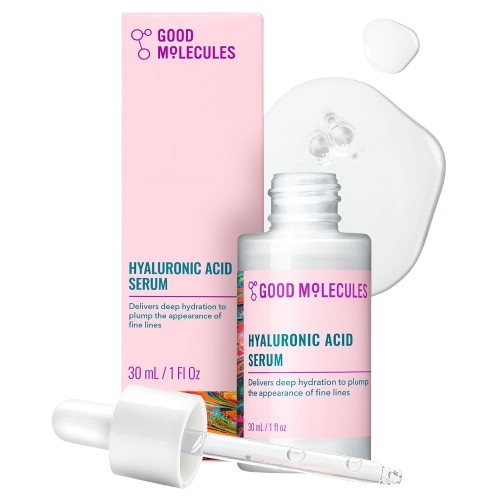
Good Molecules Hyaluronic Acid Serum
Summary
Good Molecules Hyaluronic Acid Serum is a lightweight, water-based facial serum designed primarily to hydrate dehydrated skin. Its formula is intentionally simple, using hyaluronic acid alongside glycerin and propanediol to help attract and retain water. The brand describes it as suitable for all skin types and recommends using it daily, morning and night, preferably on damp skin before applying moisturizer.
The main ingredient of interest is sodium hyaluronate, a form of hyaluronic acid commonly used in skincare as a humectant. Humectants help draw water toward the skin, which can temporarily improve the appearance of dryness and make skin feel smoother and more supple. The American Academy of Dermatology also lists hyaluronic acid among ingredients that can help moisturize dry skin.
Good Molecules lists sodium hyaluronate at 1% in the current formula. The product also contains 3% glycerin and 10% propanediol. These supporting humectants make the serum more than a single-ingredient hyaluronic acid product and contribute to its lightweight moisturizing effect. The manufacturer lists the serum as fragrance-free, vegan and cruelty-free.
Another positive aspect from a safety perspective is the relatively short ingredient list. Unlike some treatment serums, this product does not contain retinol, exfoliating acids, essential oils or added fragrance. That makes it a relatively uncomplicated option for people who want additional hydration without introducing several strong active ingredients at once. However, a simple formula does not guarantee that every individual will tolerate it perfectly.
The product is intended to be applied to damp skin. This is a practical recommendation for a hydrating serum because humectants work by interacting with water. Good Molecules recommends applying a few drops before oils, creams or moisturizers and allowing approximately 30 seconds for the serum to absorb. A moisturizer can then help support longer-lasting hydration.
It is important to distinguish hydration from treatment of a specific skin disease. Hyaluronic acid can make dry or dehydrated skin appear plumper and smoother, but this serum should not be viewed as a treatment for acne, eczema or other dermatological conditions. The American Academy of Dermatology notes that moisturizers can be useful for maintaining skin hydration, including for people whose acne treatments cause dryness, but persistent skin problems may require professional assessment.
Good Molecules reports consumer testing involving 457 verified users, with the company stating that participants reported improvements in perceived hydration and plumpness. These are consumer-survey results rather than independent clinical evidence, so they should be interpreted as supporting product feedback rather than proof that every user will experience the same results.
From a SafetyScore perspective, the formula has a strong overall profile. It is fragrance-free and contains a small number of primarily hydrating ingredients. The principal consideration is that even relatively simple skincare products can occasionally cause irritation or sensitivity in individual users. If burning, redness or persistent irritation develops, use should be discontinued.
Good Molecules Hyaluronic Acid Serum is a straightforward hydration-focused serum rather than an aggressive treatment product. Its simple formula, fragrance-free profile and combination of sodium hyaluronate, glycerin and propanediol make it a practical choice for adding moisture to a skincare routine. As always, the ingredient list on the product packaging should be checked because cosmetic formulas can change over time.
Pros
- rimarily a hydrating serum, so it does not provide the broader treatment benefits of products containing retinoids, exfoliating acids or other targeted actives.
- Very dry skin may need a moisturizer or cream over the serum to help maintain hydration.
- Applying it to damp skin is recommended by the manufacturer for best results.
- Although the formula is relatively simple, individual sensitivity or irritation is still possible.
- The manufacturer notes that ingredients can change, so the packaging should be checked for the most current formula.
Cons
- Simple 9-ingredient formula focused mainly on hydration.
- Contains 1% sodium hyaluronate, the key hydrating ingredient.
- 3% glycerin provides additional humectant support.
- 10% propanediol helps provide hydration and contributes to the lightweight texture.
- Fragrance-free, which can be beneficial for people who prefer to avoid added fragrance.
- Lightweight, water-based formula suitable for layering.
- Suitable for all skin types, according to Good Molecules.
- Can be used morning and evening.
- Contains tocopherol (vitamin E) in a small amount.
Safety Scores
Ingredient List
Aqua/Water/Eau 85.4%, Citric Acid 0.05%, Ethylhexylglycerin 0.05%, Glycerin 3.0%, Hydroxyacetophenone 0.30%, Propanediol 10.0%, Sodium Citrate 0.20%, Sodium Hyaluronate 1.0%, Tocopherol 5 ppm
You might also like
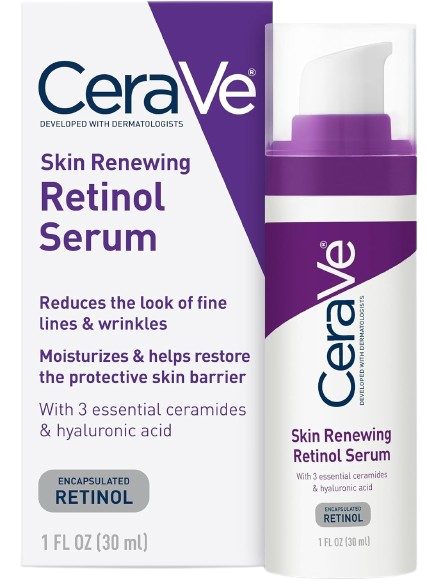
CeraVe Skin Renewing Retinol Serum
Summary
CeraVe Skin Renewing Retinol Serum is an evening facial serum designed to improve the appearance of fine lines, wrinkles, uneven texture and dullness. Its main active ingredient is retinol, a vitamin A derivative commonly used in skincare to encourage the skin’s natural exfoliation process. CeraVe combines retinol with ingredients intended to support hydration and the skin barrier, including three essential ceramides, niacinamide and hyaluronic acid.
One of the more notable features of this serum is its combination of retinol with barrier-supporting ingredients. Ceramides are important components of the skin barrier, while hyaluronic acid helps maintain moisture. Niacinamide is also included and may help support the skin barrier and reduce transepidermal water loss. This combination is useful because retinol can sometimes cause dryness or irritation when someone is beginning a retinoid routine.
CeraVe describes the serum as suitable for all skin types and says it is non-comedogenic and free of added fragrance. The formula also uses the brand’s MVE delivery technology, which is designed to provide controlled release of moisturizing ingredients. These characteristics make the product relatively straightforward for people looking for a fragrance-free retinol serum without a large number of additional active exfoliating ingredients.
The main safety consideration is still retinol itself. Even when a product is designed to be gentle, retinol can cause temporary dryness, redness, peeling or irritation, particularly when it is introduced too quickly. CeraVe recommends applying the serum in the evening and gradually working up toward more frequent use as the skin becomes accustomed to retinol. The brand also recommends sunscreen while using retinol products because skin can become more sensitive to the sun.
For someone new to retinol, starting with a small amount and using it less frequently can be a sensible approach. Dermatologists also advise introducing potentially irritating anti-aging products gradually rather than adding several new active ingredients at once. People with particularly sensitive or already irritated skin may need to be more cautious.
From a SafetyScore perspective, the ingredient profile is relatively balanced. There is no added fragrance, and the formula contains several ingredients associated with hydration and barrier support. The primary factor preventing a higher safety assessment is the irritation potential associated with retinol rather than an obvious concern with the overall formulation.
The current CeraVe ingredient list includes water, glycerin, caprylic/capric triglyceride, ceramides NP/AP/EOP, niacinamide, retinol, hydrolyzed hyaluronic acid, cholesterol, phytosphingosine, shea butter and other supporting ingredients. CeraVe notes that ingredient lists can change, so consumers should check the packaging of their specific product for the most current formula.
CeraVe Skin Renewing Retinol Serum is a thoughtfully formulated retinol product that combines an established anti-aging ingredient with ceramides, niacinamide and hyaluronic acid. Its main drawback is the normal irritation potential associated with retinol. For users who introduce it gradually and follow it with appropriate daytime sun protection, it can be a practical option for addressing visible signs of skin aging and uneven texture.
Pros
- Encapsulated retinol designed for gradual delivery.
- Contains three essential ceramides to support the skin barrier.
- Niacinamide helps soothe and support skin hydration.
- Hyaluronic acid helps maintain moisture.
- Fragrance-free, reducing one common source of cosmetic irritation.
- Non-comedogenic according to CeraVe.
- Suitable for all skin types according to the manufacturer.
- Contains cholesterol and phytosphingosine, additional components associated with the skin-barrier system.
Cons
- Retinol can cause dryness, redness, peeling or irritation, especially when starting.
- The skin may need time to adapt to retinol.
- CeraVe recommends introducing it gradually rather than immediately using it every day.
- It should be used in the evening.
- Daily broad-spectrum sunscreen is recommended while using retinol products.
- The exact retinol concentration is not disclosed on the current CeraVe ingredient list.
- Formulas can change by market and over time, so the ingredient list on the actual packaging should be considered the final reference.
Safety Scores
Ingredient List
Alcohol, Aqua/Water, Behentrimonium Methosulfate, Benzoic Acid, Butyrospermum Parkii Butter (Shea Butter), Caprylic/Capric Triglyceride, Caprylyl Glycol, Caprylyl Methicone, Carbomer, Ceramide AP, Ceramide EOP, Ceramide NP, Cetearyl Alcohol, Cholesterol, Cichorium Intybus Root Extract (Chicory Root Extract), Citric Acid, Dimethicone, Ethylhexylglycerin, Glycerin, Hydrogenated Palm Glycerides, Hydroxyacetophenone, Hydroxyethylcellulose, Lecithin, Niacinamide, PEG-40 Stearate, Pentylene Glycol, Phenoxyethanol, Phytosphingosine, Polysorbate 20, Potassium Cetyl Phosphate, POTASSIUM PHOSPHATE, Retinol, Sodium Hyaluronate, Sodium Lauroyl Lactylate, Tocopherol, Triethanolamine, Triethyl Citrate, Trisodium Ethylenediamine Disuccinate, Xanthan Gum
You might also like
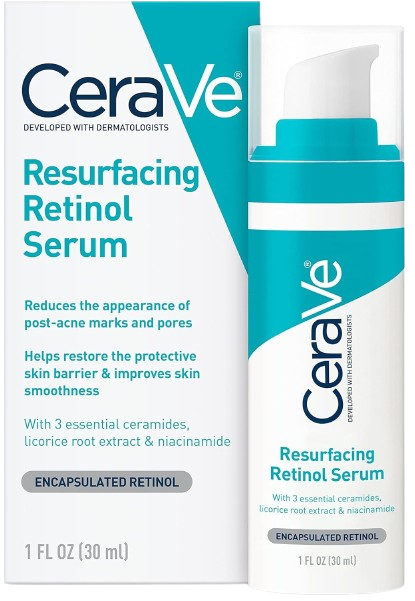
CeraVe Resurfacing Retinol Face Serum
Summary
CeraVe Resurfacing Retinol Serum is a facial treatment designed primarily for post-acne skin, uneven texture, visible pores and uneven skin tone. The formula combines encapsulated retinol with niacinamide, ceramides and licorice root extract. According to CeraVe, the serum is developed with dermatologists and is intended to refine the skin’s surface while supporting the skin barrier.
The main active ingredient is retinol, a vitamin A derivative commonly used in skincare to improve the appearance of uneven tone, texture, fine lines and post-acne marks. The American Academy of Dermatology (AAD) notes that retinoids can help with mild pigmentation irregularities, acne and signs of skin aging, although irritation can occur, particularly when someone is new to retinoid products.
CeraVe uses encapsulated retinol, which the brand says helps promote the skin’s natural exfoliation process. The formula also contains three essential ceramides — Ceramide NP, Ceramide AP and Ceramide EOP — that help support the skin barrier and retain moisture. Niacinamide is another important component and may help calm the skin and reduce transepidermal water loss. Licorice-derived ingredients are included to help improve the appearance of uneven skin tone.
One advantage of this formulation is that it does not rely on added fragrance. CeraVe also describes the product as non-comedogenic, meaning it is formulated not to clog pores. These characteristics may make the serum interesting for people with oily or acne-prone skin, although individual reactions can vary.
The main safety consideration is still retinol irritation. Some users may experience dryness, peeling, redness, burning or increased sensitivity, especially when introducing retinol too quickly. The AAD recommends starting retinoid products gradually and reducing frequency if irritation develops. Moisturizing can also help improve tolerance.
CeraVe recommends using this serum in the evening and applying sunscreen while using the product. Retinol can make a skincare routine more demanding because protecting the skin from ultraviolet exposure remains important. CeraVe also advises avoiding the eye and lip areas and spacing applications if discomfort occurs during initial use.
For SafetyScore purposes, the ingredient profile has several positive characteristics: retinol is a well-established skincare ingredient, the formula contains barrier-supporting ceramides and niacinamide, and the product is fragrance-free according to the manufacturer. However, the presence of retinol means it should not automatically be considered suitable for every skin type.
People with very sensitive or irritated skin should introduce it cautiously. The AAD specifically notes that people experiencing significant redness or inflammation may not be good candidates for retinoids without professional guidance. Retinoid use is also generally avoided during pregnancy, and people taking isotretinoin should discuss skincare products containing retinol with their healthcare professional.
CeraVe Resurfacing Retinol Serum is a relatively straightforward retinol treatment that combines a proven cosmetic active with ingredients intended to support the skin barrier. Its potential benefits are most relevant to people concerned with post-acne marks, uneven texture and visible pores, while its principal drawback is the possibility of irritation. As with any active skincare product, results and tolerance depend on the individual, and the ingredient list on the actual package should be checked because manufacturers can update formulations.
Pros
- Encapsulated retinol designed for gradual delivery and skin resurfacing.
- Three essential ceramides help support the skin barrier.
- Niacinamide provides a soothing and barrier-supporting ingredient.
- Hyaluronic acid helps maintain skin hydration.
- Fragrance-free, which may be preferable for people who are sensitive to fragrance.
- Non-comedogenic according to CeraVe.
- Includes licorice-root-derived dipotassium glycyrrhizate, used in the formula for its soothing/brightening role.
- CeraVe recommends the product for skin with imperfections and post-acne marks.
Cons
- Retinol can cause dryness, peeling, redness or irritation, particularly when first introduced.
- The product is intended for evening use, with CeraVe recommending sunscreen during the day.
- People with very reactive, inflamed or already irritated skin may find retinol difficult to tolerate.
- CeraVe advises avoiding the eye and lip areas and reducing application frequency if discomfort occurs.
- The retinol concentration is not prominently disclosed on the product page, so the strength cannot be judged from the ingredient list alone.
- Ingredient lists can change, so the packaging of the product you actually own should be treated as the final reference.
Safety Scores
Ingredient List
Alcohol, Ammonium Polyacryloyldimethyl Taurate, Aqua/Water, Behentrimonium Methosulfate, Caprylyl Glycol, Carbomer, Ceramide AP, Ceramide EOP, Ceramide NP, Cetearyl Alcohol, Cetearyl Ethylhexanoate, Cholesterol, Citric Acid, Dimethicone, Dimethiconol, Dipotassium Glycyrrhizate, Ethylhexylglycerin, Hydrogenated Lecithin, Isopropyl Myristate, Lecithin, Niacinamide, Pentylene Glycol, Phenoxyethanol, Phytosphingosine, Polysorbate 20, POTASSIUM PHOSPHATE, Propanediol, Retinol, Sodium Citrate, Sodium Hyaluronate, Sodium Lauroyl Lactylate, Trisodium Ethylenediamine Disuccinate, Xanthan Gum
You might also like
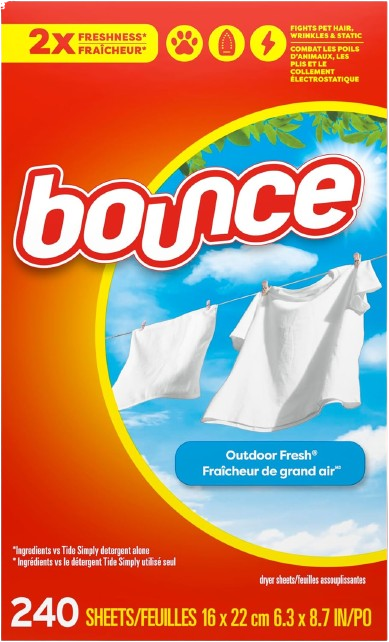
Bounce Outdoor Fresh Fabric Softener Dryer Sheets
Summary
Bounce Outdoor Fresh Fabric Softener Dryer Sheets are disposable laundry sheets designed to reduce static, soften fabrics, minimize wrinkles and leave clothes with a fresh fragrance. The product is used directly in the tumble dryer rather than during the washing cycle. Bounce describes Outdoor Fresh as a scented dryer sheet with several functions, including static control, wrinkle reduction, fabric softening and lint repellence.
The product works primarily through the ingredients deposited onto fabrics as the sheet moves through the heated dryer. The current ingredient information for Outdoor Fresh identifies a polyester sheet, a cationic fabric softener, fatty acids, bentonite and fragrances. The cationic softener is the principal conditioning component, helping reduce the rough or static feel that can develop during tumble drying. Fatty acids and other formulation ingredients contribute to the product’s softening performance.
One of the main advantages of dryer sheets is convenience. There is no liquid to measure or dispenser to clean: the sheet is simply placed on top of the laundry at the beginning of the drying cycle and discarded afterward. Bounce recommends one sheet for a small load, two for a medium load and three for a large load on its current Outdoor Fresh product page. Using the recommended amount is important because excessive fabric-softener residue is unnecessary and may affect some textiles.
The strongest consideration from a SafetyScore perspective is the product’s fragrance. Outdoor Fresh is intentionally designed to leave a noticeable scent on clothing, so it is not a fragrance-free laundry option. Fragrance is not automatically a safety problem, but fragranced laundry products may be less suitable for people who prefer to minimize fragrance exposure or who find scented products irritating. Bounce offers a separate Free & Gentle dryer sheet that is specifically formulated without perfumes and is marketed toward consumers looking for a fragrance-free option.
There are also some fabric-care considerations. Bounce states that its dryer sheets help soften clothes and reduce static and wrinkles, but product directions indicate that dryer sheets should not be used on children’s sleepwear or other garments labeled as flame resistant, because fabric softener can reduce flame resistance. This is an important practical point that should not be overlooked when evaluating household laundry products.
The manufacturer also recommends using a low-heat setting for synthetic fabrics and notes that spotting can occur if a dryer sheet is used at high heat. If spotting happens, Bounce recommends treating the affected area and rewashing the garment. Following the dryer manufacturer’s instructions and the garment care label is therefore an important part of using the product appropriately.
Storage and accidental exposure are additional household considerations. Bounce’s product information advises keeping dryer sheets out of reach of toddlers and pets to prevent accidental ingestion. This is particularly relevant because used sheets remain in the dryer after a cycle and can easily be handled by children or animals if they are left unattended.
Another point worth considering is that dryer sheets are single-use products. Unlike reusable wool dryer balls, each sheet is discarded after one drying cycle. For consumers focused on reducing household waste, this creates a different environmental profile from reusable laundry accessories. The product does, however, provide a convenient way to combine several laundry functions in one disposable sheet.
Bounce Outdoor Fresh Fabric Softener Dryer Sheets are a conventional scented dryer-sheet product focused on softness, static reduction, wrinkle control and fragrance. Its main SafetyScore considerations are the presence of fragrance, the single-use format and the manufacturer’s warning regarding flame-resistant garments. The product is relatively straightforward to use, but consumers should follow the recommended dosage and clothing-care instructions. For an accurate SafetyScore assessment, the ingredient information printed on the current package should remain the final reference because formulations and product versions can change over time.
Pros
- Helps reduce static cling during drying.
- Softens clothes and helps reduce wrinkles.
- Provides a long-lasting fragrance.
- Can help repel lint from fabrics.
- Simple to use: place the sheet in the dryer and discard it after the cycle.
- The formula uses a relatively short list of functional ingredients.
- Available in different sheet sizes and pack quantities.
Cons
- Helps reduce static cling during drying.
- Softens clothes and helps reduce wrinkles.
- Provides a long-lasting fragrance.
- Can help repel lint from fabrics.
- Simple to use: place the sheet in the dryer and discard it after the cycle.
- The formula uses a relatively short list of functional ingredients.
- Available in different sheet sizes and pack quantities.
Safety Scores
Ingredient List
C16-18 and C18-Unsaturated), Cationic Softener (Dialkylester Dimethyl Ammonium Methosulfate), Fragrances, Polyester Sheet (Polyethylene Terephthalate), Process Aid (Bentonite), Softening Agent (Fatty Acids
You might also like
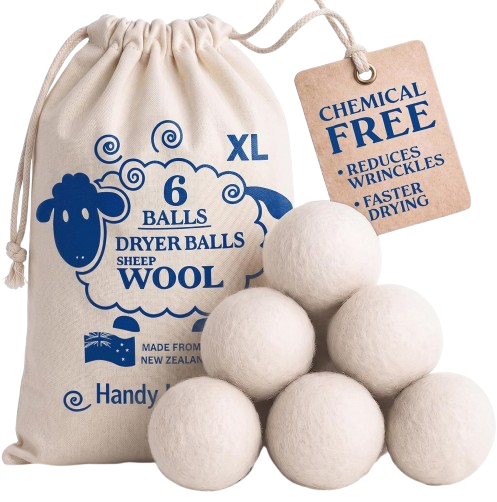
Handy Wool Dryer Balls
Summary
Handy Laundry Wool Dryer Balls are reusable laundry accessories designed to soften fabrics, reduce static and wrinkles, and help separate clothes as they tumble in the dryer. Unlike conventional dryer sheets or liquid fabric softeners, they do not rely on added fragrance or a chemical softening formulation. Handy Laundry describes its dryer balls as being made from 100% New Zealand wool, making the product a simple alternative for households looking to reduce their use of disposable laundry products.
The basic principle is straightforward. As the wool balls move through the dryer, they help lift and separate items that might otherwise remain tightly packed together. This creates more space between garments and can improve the circulation of warm air around the load. Handy Laundry says this action can shorten drying time, while also helping reduce wrinkles and static cling.
The manufacturer claims that its dryer balls can reduce drying time by up to 25%. This figure should be treated as a manufacturer claim rather than a guaranteed result. Actual performance can depend on the size of the load, fabric type, dryer model, moisture level and number of balls used. Independent testing has also found that dryer balls can provide practical benefits, although results vary. Recent reporting based on testing suggests that wool dryer balls can help with fabric separation and softness, but their effect on energy consumption and drying time should not be exaggerated.
One of the most notable characteristics of the Handy product is its material. The company states that the balls use 100% premium New Zealand wool without synthetic fillers. Wool is naturally soft and flexible, so the balls tend to make less noise than hard plastic dryer balls when they move around the drum. Independent testing has also highlighted the relatively quiet operation of Handy Laundry’s wool balls.
From a household-safety perspective, the product has a relatively simple composition because it is primarily a physical laundry accessory rather than a chemical formulation. There is no added perfume or fabric-softening liquid left behind on clothing. This can be useful for households that prefer unscented laundry or want to reduce the number of fragranced products used during washing and drying.
Another advantage is reusability. Handy Laundry states that its wool dryer balls can be used for 1,000 or more loads. That is a manufacturer durability claim rather than a guaranteed lifespan, since wear will depend on dryer temperature, frequency of use and the condition of the wool. The balls can gradually become smaller or more compact after extensive use.
The number of balls used can also affect the result. Handy Laundry recommends using multiple balls, with larger loads generally benefiting from more balls. Using several balls allows more physical separation between garments, particularly when drying towels, bedding or other bulky items. Overloading the dryer, however, can limit airflow and reduce the potential benefit of any dryer-ball system.
There are a few limitations worth mentioning. Wool dryer balls are not a complete replacement for every function of a conventional fabric softener. They do not provide the same type of added fragrance, and they may not eliminate static in every drying environment. Very dry indoor conditions, synthetic fabrics and over-drying can still produce noticeable static. Some independent testing has also found that dryer balls do not necessarily deliver dramatic energy savings despite marketing claims about shorter drying times.
Overall, Handy Wool Dryer Balls are a simple, reusable laundry accessory made primarily from natural wool. Their main benefits are mechanical fabric separation, reduced reliance on disposable dryer sheets, quieter operation and potential improvements in softness and drying efficiency. For SafetyScore purposes, their simple material profile is an important advantage, while claims about specific drying-time or energy savings should be considered variable rather than guaranteed. Consumers should also remember that wool is an animal-derived material, which may matter to people seeking vegan laundry products.
Pros
- Made from 100% New Zealand wool.
- No added fragrance or conventional fabric-softener chemicals.
- Reusable for potentially hundreds of drying loads; Handy Laundry products are commonly advertised for 1,000+ loads.
- Can help separate clothes and improve airflow during drying.
- Can provide a natural softening effect without coating fabrics with traditional fabric-softener ingredients.
- Suitable for people looking to reduce the use of disposable dryer sheets.
- Generally suitable for towels because they do not deposit the coating associated with conventional dryer sheets.
Cons
- Made from wool, so they are not suitable for people specifically avoiding animal-derived materials.
- People with a wool sensitivity may prefer another type of dryer ball.
- They may produce some noise as they tumble around the dryer.
- Static reduction can vary, particularly with synthetic fabrics and very dry conditions.
- Claims about substantially reducing drying time can vary; independent testing suggests the effect may be smaller than some marketing claims.
- Wool balls can eventually pill, shrink, or wear out with repeated use.
Safety Scores
Ingredient List
100% New Zealand wool
You might also like
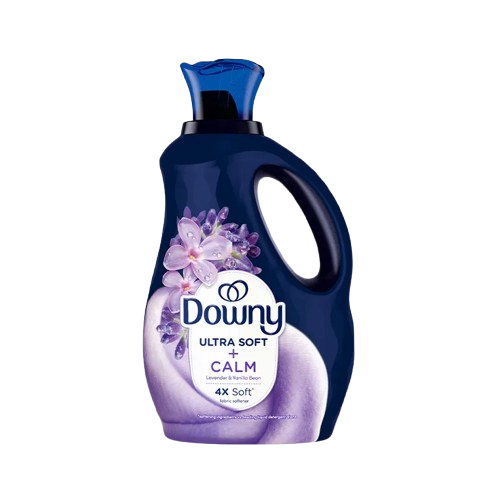
Downy Ultra Soft Calm Liquid Fabric Softener
Summary
Downy Ultra Soft Calm Liquid Fabric Softener is a scented fabric conditioner designed to make laundry feel softer while adding a long-lasting fragrance. The Calm version features a lavender and vanilla bean scent, and Downy describes it as suitable for use with all washing machines. It is intended to be used alongside laundry detergent rather than as a replacement for detergent.
The product works differently from a laundry detergent. Instead of primarily removing dirt and stains, fabric softener is added during the rinse stage to condition the fibers. Downy says its liquid conditioners can help provide softness, reduce static and protect fabrics from stretching, fading and fuzzing. The manufacturer also recommends following the dosing instructions on the bottle, since Ultra Downy is a concentrated formulation.
The current official ingredient information lists water, diethylester dimethyl ammonium chloride, fragrance, Polyquaternium-33, formic acid, a blend of polyoxyalkylene-substituted chromophores, and pentasodium pentetate. Each ingredient has a different function. Water acts as the solvent, while diethylester dimethyl ammonium chloride is the fabric-softening active. Fragrance provides the lavender-and-vanilla scent, while Polyquaternium-33 functions as a stabilizer. Formic acid is used for pH adjustment and pentasodium pentetate acts as a chelating agent. The product also uses a colorant blend.
For a SafetyScore review, the fragrance component is one of the most relevant considerations. Downy Ultra Soft Calm is intentionally scented, so it is not equivalent to a fragrance-free fabric conditioner. Downy itself offers a separate Free & Gentle liquid fabric softener without dyes or perfumes for consumers looking to avoid those ingredients. This does not mean the scented Calm product is inherently unsafe; rather, fragrance is an important distinction for people who are sensitive to fragranced laundry products or simply prefer products with fewer fragrance ingredients.
Another consideration is fabric compatibility. Downy states that its liquid fabric softeners are suitable for washable fabrics when used according to care-label instructions. However, the company also acknowledges that fabric softener may temporarily reduce the moisture-wicking properties of some garments. This is particularly relevant for athletic or performance clothing, where maintaining the fabric’s original moisture-management characteristics can be more important than maximizing softness or fragrance.
Correct application also matters. Downy recommends measuring the appropriate amount and adding the product to the fabric-softener dispenser. If a dispenser is not available, it should be added during the rinse cycle rather than during the main wash. The company advises avoiding direct contact between concentrated softener and clothing because this can increase the possibility of staining.
Downy states that its ingredients are evaluated for their intended use and says its products meet applicable ingredient standards. The company also publishes information about its ingredient-safety process and says it evaluates the combined safety of ingredients in each product. These statements represent manufacturer information, however, and should be distinguished from independent testing or regulatory assessment of this specific bottle and formulation.
From a SafetyScore perspective, Downy Ultra Soft Calm has a relatively straightforward purpose and clearly disclosed primary ingredients. Its main considerations are the intentional use of fragrance, correct dosing, and the potential effect of fabric softener on specialized moisture-wicking fabrics. It is also worth remembering that formulas and packaging can change, so the current bottle’s ingredient information should be checked when conducting a product-specific assessment.
Downy Ultra Soft Calm Liquid Fabric Softener is a conventional scented fabric conditioner focused on softness, freshness and fragrance. Its strongest practical benefit is fabric conditioning, while fragrance sensitivity and use on technical performance fabrics are the main points consumers may want to consider before adding it to their laundry routine.
Pros
- Effectively softens fabrics and reduces static.
- Provides a long-lasting lavender and vanilla fragrance.
- Designed for use with all washing machines.
- Uses a relatively short disclosed ingredient list.
- Does not need to replace detergent; it is designed to work alongside normal laundry detergent.
- Downy states that its ingredients meet applicable ingredient standards from regulatory bodies including the U.S. EPA and European Commission.
Cons
- Contains fragrance, which may be undesirable for people who are sensitive to scented laundry products.
- The fragrance remains on fabrics that can have prolonged contact with the skin.
- Fabric softener can increase fabric flammability when used incorrectly or excessively. The product should not be used on children's sleepwear or flame-resistant garments.
- Not recommended for some fluffy fabrics such as fleece, velour, chenille and terry cloth, according to the product warnings.
- The formula contains a cationic fabric-softening agent, which is useful for conditioning fabrics but means the product should be used as directed rather than applied directly to skin.
Safety Scores
Ingredient List
Diethylester Dimethyl Ammonium Chloride, Formic Acid, Fragrance, Pentasodium Pentetate, Polyoxyalkylene Substituted Chromophores (Red and Blue), Polyquaternium-33, Water